Linigu Blog
Professional articles on translation, CAT tools, and language technology
Welcome to the Linigu Blog
Welcome to the Linigu Blog, a professional knowledge hub created for translators, localization specialists, and language technology enthusiasts. Here, we share practical insights into translation workflows, CAT tools such as SDL Trados Studio, file formats, terminology management, and modern language technology.
Linigu.cloud was built to solve real problems faced by translators. Our articles focus on practical solutions—explaining complex translation files, common technical issues, and how to work more efficiently using tools like the Linigu SDL Studio Converter, which allows you to view SDL Trados files instantly as Word or Excel documents.
Whether you are an experienced translator or just starting your journey in professional translation, this blog is designed to help you improve quality, save time, and better understand the tools you use every day.
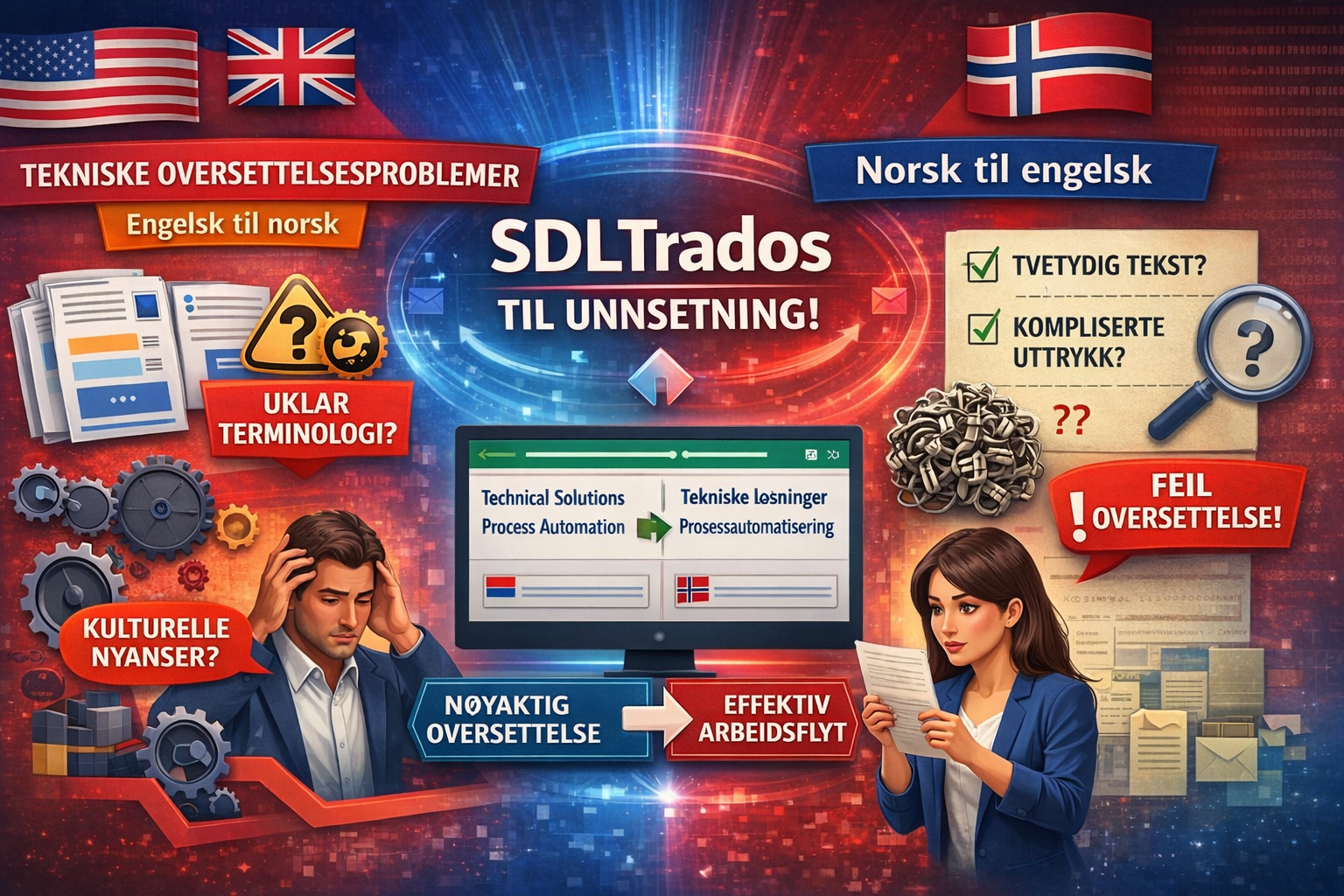
English-Norwegian Technical Translation with CAT Tools: Navigating Nordic Precision
Master English-Norwegian technical translation with CAT tools. Learn how to handle special characters, compound word challenges, choose between Bokmål and Nynorsk, and optimize translation memory for Nordic language precision.
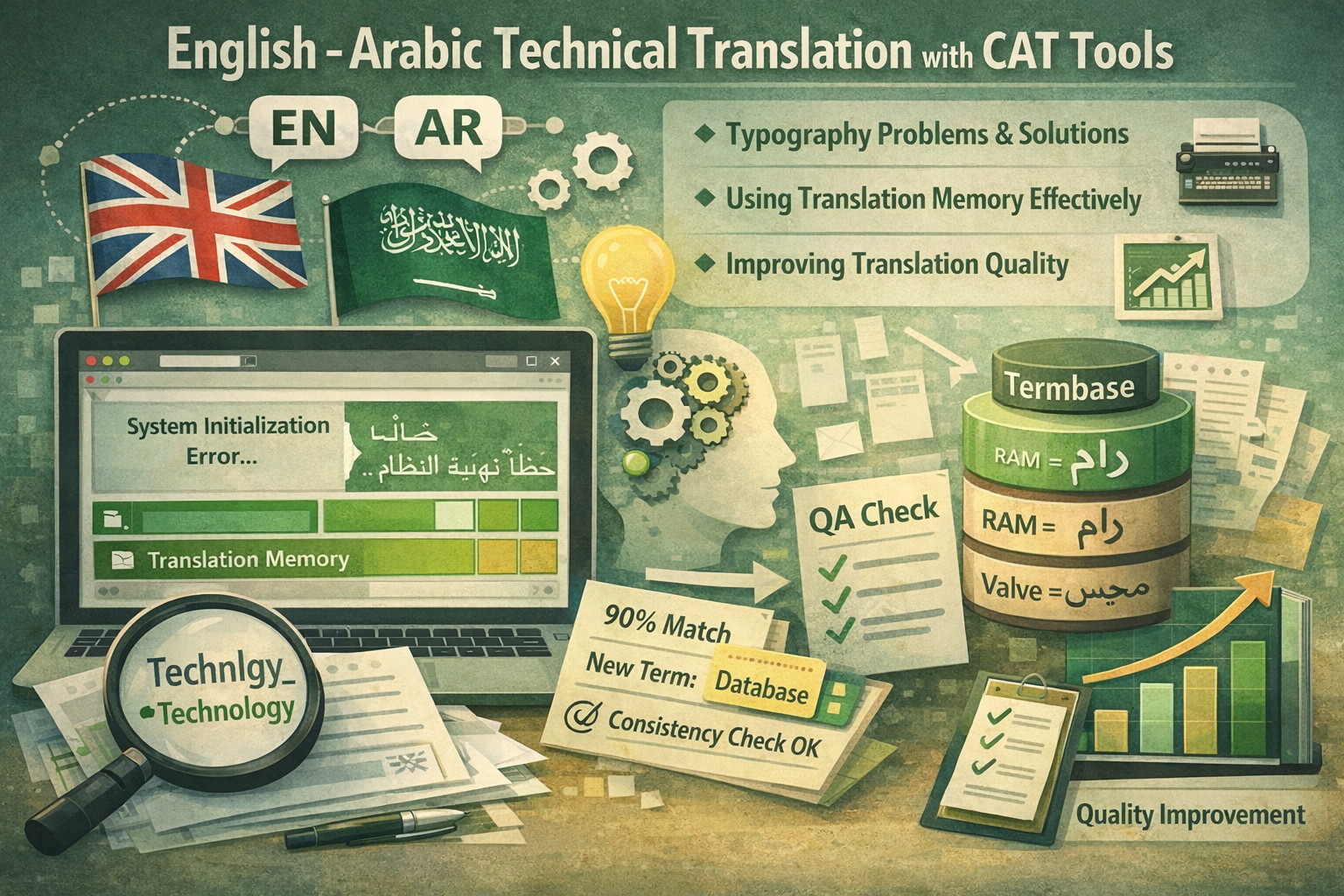
English-Arabic Technical Translation with CAT Tools: Overcoming RTL Challenges
Navigate the complexities of English-Arabic technical translation with expert guidance on CAT tools, RTL typography, bidirectional text handling, and translation memory optimization for Arabic language pairs.
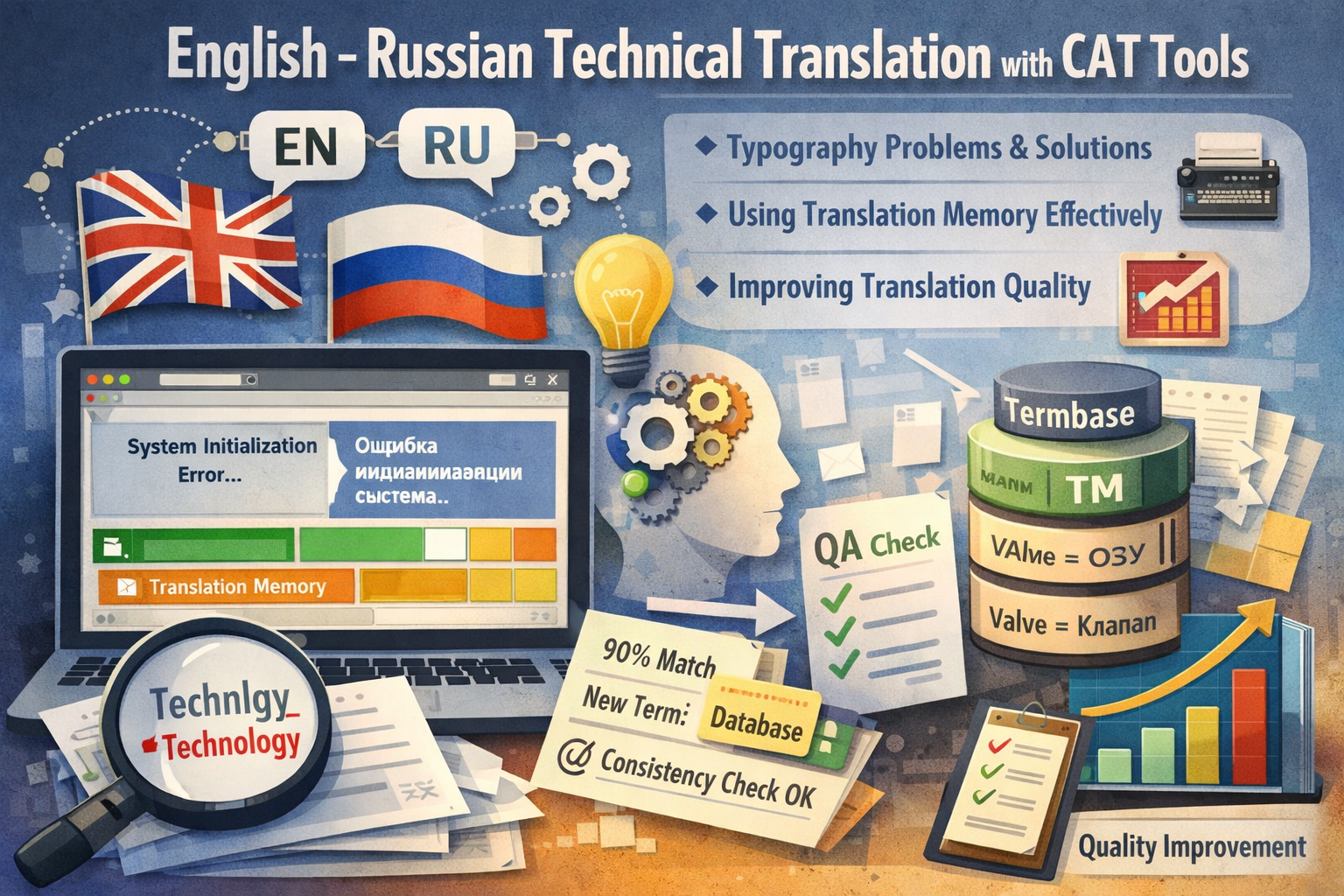
Mastering English-Russian Technical Translation with CAT Tools: Challenges and Solutions
Discover how CAT tools transform English-Russian technical translation workflows. Learn best practices for translation memory, termbase management, and solving typography challenges in Cyrillic texts.
Beyond Translation: Emerging Career Opportunities for Translators and Linguists in 2026
Discover lucrative new career paths for translators and linguists in 2026. From data annotation earning $20-40+ per hour to AI training and linguistic evaluation, language professionals are finding flexible, remote opportunities in the booming AI industry. Learn about salaries, platforms, required skills, and how to break into these emerging fields that didn't exist a decade ago.
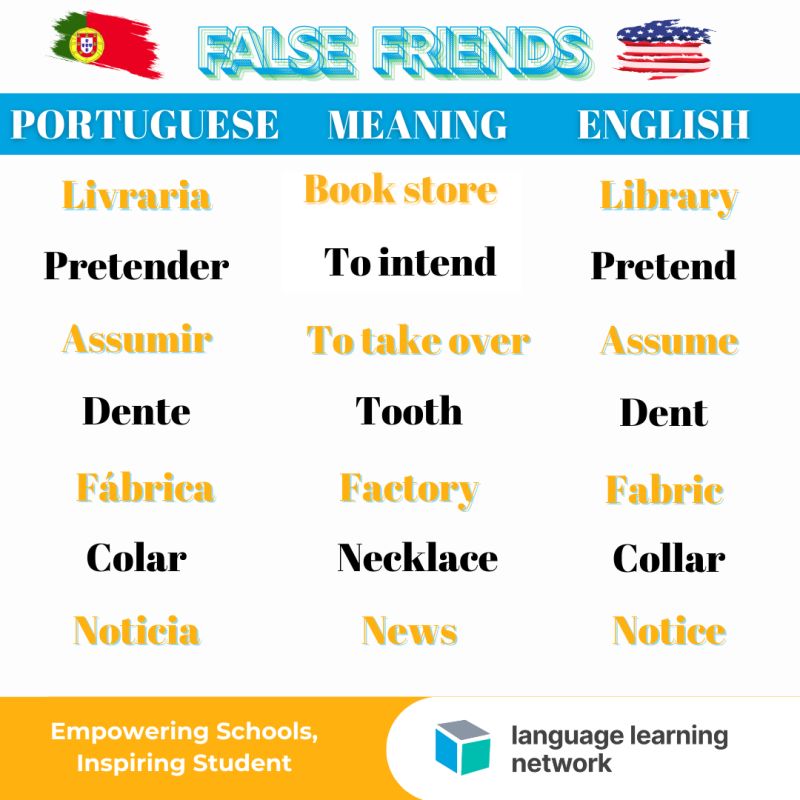
Technical Translation Problems from English to Portuguese and from Portuguese to English
Technical translation between English and Portuguese involves hidden structural, terminological, and formatting challenges. Learn how to solve them efficiently.
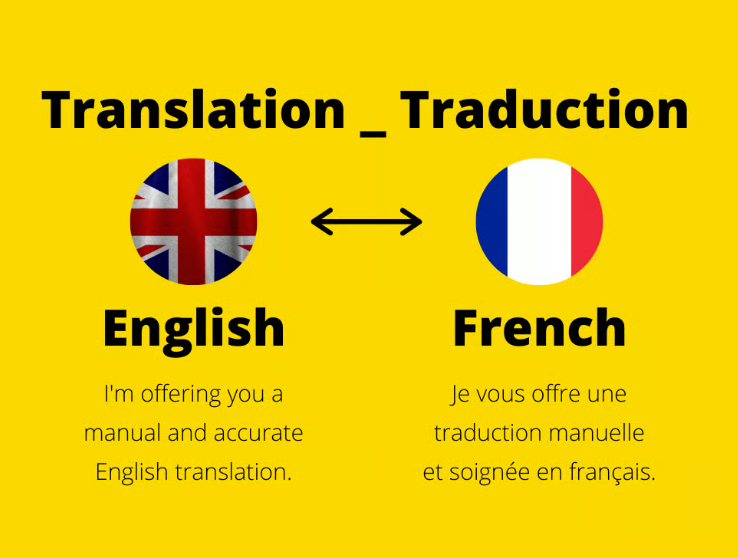
Technical Translation Problems Between English and French
Technical translation between English and French often fails due to TAG errors and formatting issues. Learn how SDL Trados detects, prevents, and solves these problems.

Technical Translation Problems Between English and Spanish
Technical translation between English and Spanish often suffers from TAG errors, terminology inconsistencies, and formatting issues. This article explains common problems and how SDL Trados effectively prevents and solves them.
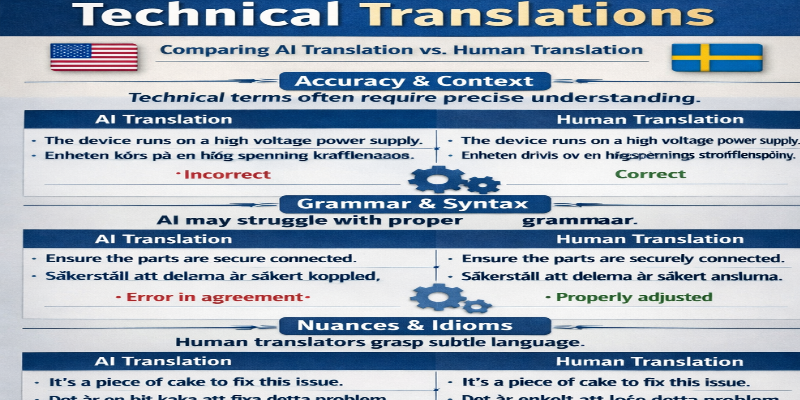
English-Swedish Technical Translation: Where Nordic Precision Meets AI Innovation
Explore the unique challenges of English-Swedish technical translation in an era of advancing AI. Discover how linguistic subtleties, compound word structures, and cultural context create obstacles for machines while highlighting the irreplaceable value of human expertise in Nordic technical communication.
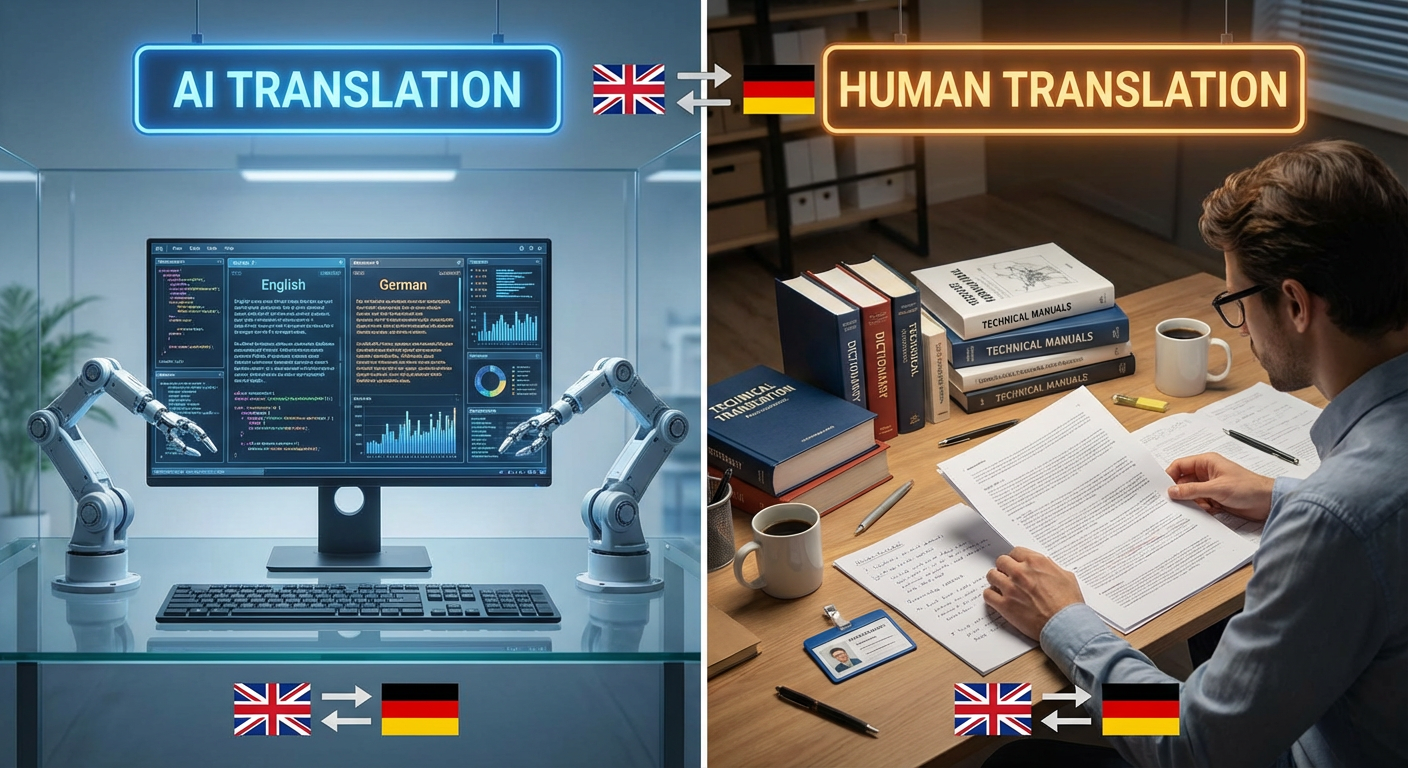
English-German Technical Translation: When AI Meets Human Expertise
Dive into the fascinating intersection of artificial intelligence and human expertise in English-German technical translation. Discover where machines excel, where they fail, and why the future belongs to thoughtful collaboration between AI capabilities and human linguistic mastery.
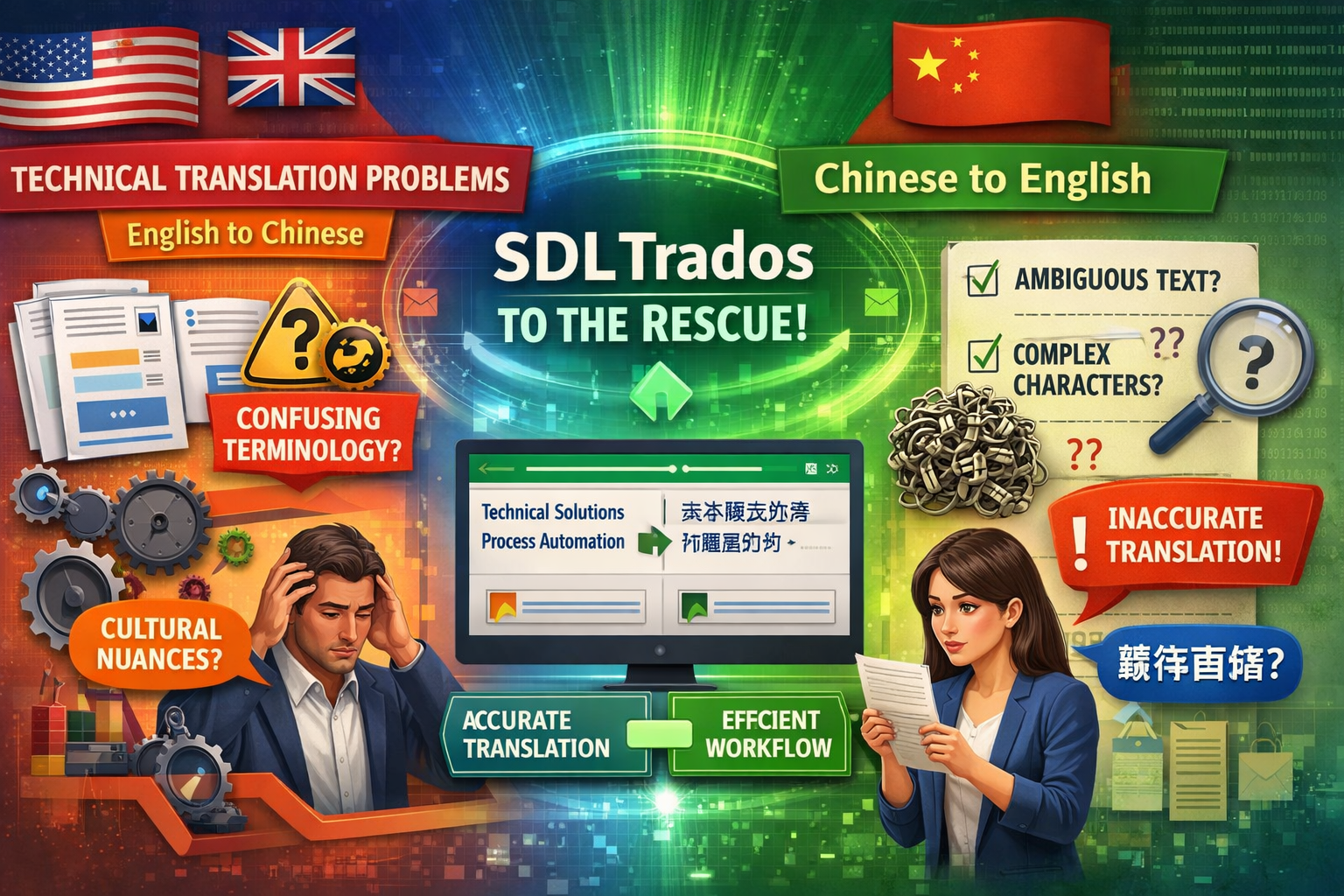
Bridging East and West: Solving English-Chinese Technical Translation Challenges with SDL Trados
Navigate the complex landscape of English-Chinese technical translation with professional CAT tools. Discover how SDL Trados, translation memories, and termbases overcome linguistic challenges between two fundamentally different language systems, and learn how modern workflows are revolutionizing this critical translation pair.