What Is Translation? The Complete Guide to Turning Words Into Global Understanding
Every day, billions of words travel across language barriers — contracts, medical instructions, product descriptions, love letters, academic papers, and government documents all need to be understood by people who speak different languages. Translation makes that possible. But what exactly is translation, and why does it remain one of humanity's most important skills even in an age of artificial intelligence?
The True Definition of Translation
At its most basic, translation is the process of converting written content from one language (the source language) into another (the target language) while preserving the original meaning, tone, and intent. But this definition undersells the complexity of what skilled translators and translation tools actually do.
A good translation doesn't just find equivalent words — it finds equivalent meaning. The French phrase "esprit de l'escalier" has no direct English equivalent (it refers to thinking of the perfect comeback too late), so a translator must make choices about how to render that idea for an English-speaking audience. Similarly, technical jargon in a legal contract carries precision that cannot be sacrificed for the sake of fluency.
Translation, therefore, is a constant negotiation between fidelity to the source and naturalness in the target language. It requires deep knowledge of both cultures, not just both grammars.
A Brief History of Translation
Translation is almost as old as writing itself. The ancient Egyptians maintained bilingual scribes to handle communication across their multilingual empire. The Rosetta Stone — carved in 196 BC in Egyptian hieroglyphics, Demotic script, and ancient Greek — is perhaps the world's most famous translation artifact, and it allowed modern scholars to decode an entire lost writing system.
The translation of religious texts has profoundly shaped civilizations. St. Jerome's Latin Vulgate Bible in the 4th century standardized Christian scripture across Europe. Martin Luther's German Bible translation in the 16th century didn't just spread religious ideas — it helped standardize the German language itself. The King James Bible of 1611 remains a cornerstone of English literary style.
In the modern era, translation has become a massive global industry. The global language services market is worth tens of billions of dollars annually, and that figure doesn't account for the enormous volume of informal and automated translation happening every moment online.
Types of Translation
Not all translation is the same. Understanding the different types helps you choose the right approach for your needs.
Literary Translation involves translating novels, poetry, plays, and other creative works. The translator must not only convey meaning but also rhythm, voice, and style. Translating a poem by Pablo Neruda into English while preserving its musicality is a creative act as much as a linguistic one.
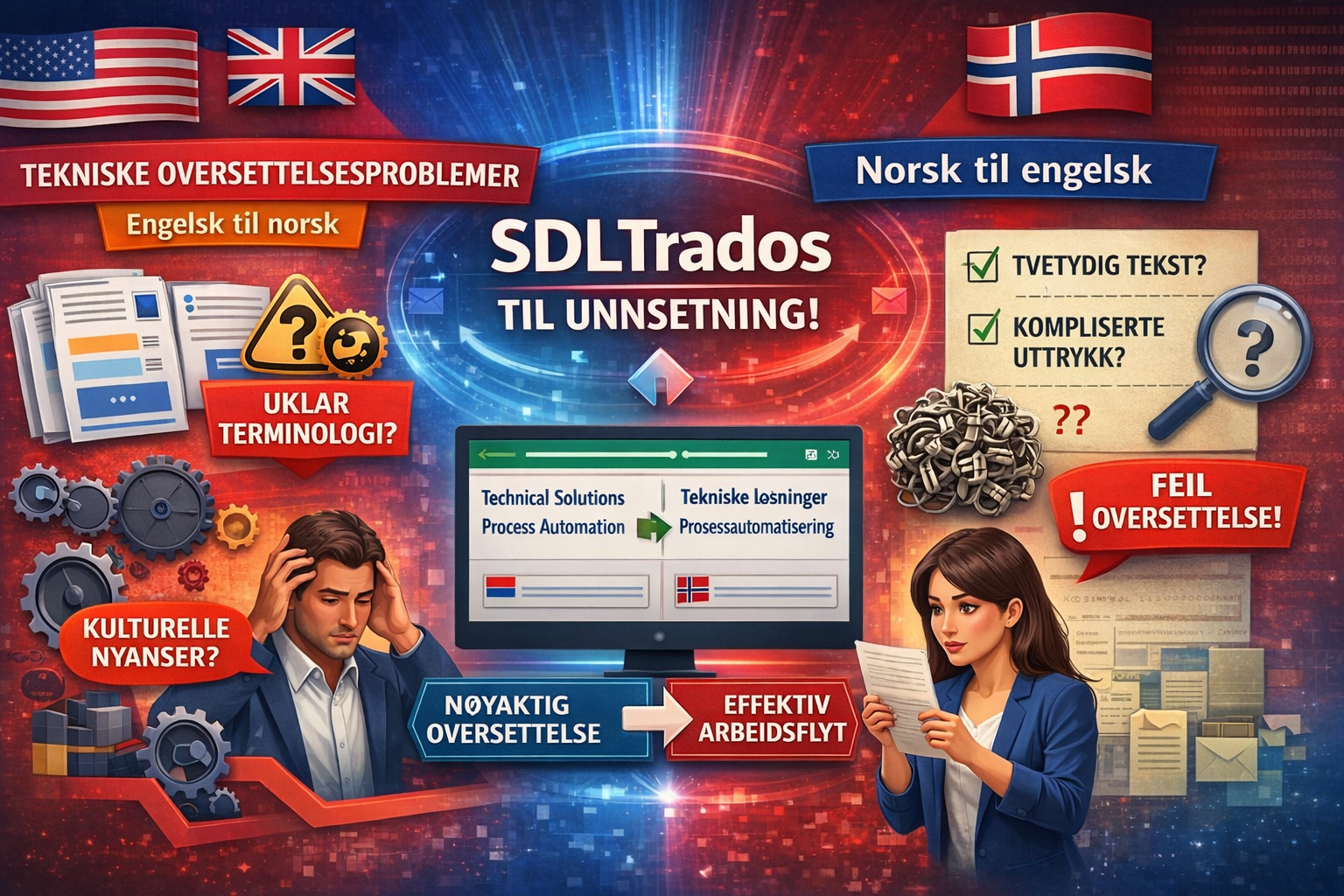
Technical Translation covers fields like engineering, science, medicine, and technology. Precision is paramount — mistranslating a medical dosage or a safety instruction can have serious consequences. Technical translators often specialize in specific industries and maintain glossaries to ensure consistency.
Legal Translation handles contracts, patents, court documents, immigration paperwork, and regulations. Legal language is notoriously nuanced, and translators must understand legal systems in both the source and target cultures, as legal concepts don't always map neatly across jurisdictions.
Commercial Translation includes business correspondence, marketing materials, financial reports, and product documentation. Tone and brand voice are critical here — a casual, playful marketing slogan might need to become more formal in a different cultural context, or might need to be entirely reimagined to avoid unintended meanings.
Localization goes beyond translation to adapt content for a specific regional market. This includes adjusting date formats, currencies, cultural references, imagery, and even color choices. A website that has been localized for Japan doesn't just translate the words — it rethinks the layout, the tone, and even the product offering to match Japanese expectations and preferences.
Translation vs. Interpretation
These two terms are often confused, but they refer to distinct disciplines. Translation is the rendering of written text from one language to another. Interpretation is the oral or signed communication of meaning between languages in real time — such as the simultaneous interpreters you see at United Nations conferences, or the interpreter who assists during a medical consultation.
Both require exceptional language skills and deep cultural knowledge, but the pressures are different. Translators have time to research, revise, and refine. Interpreters must process and render meaning instantly, often without the luxury of asking for clarification.
The Role of Technology in Translation
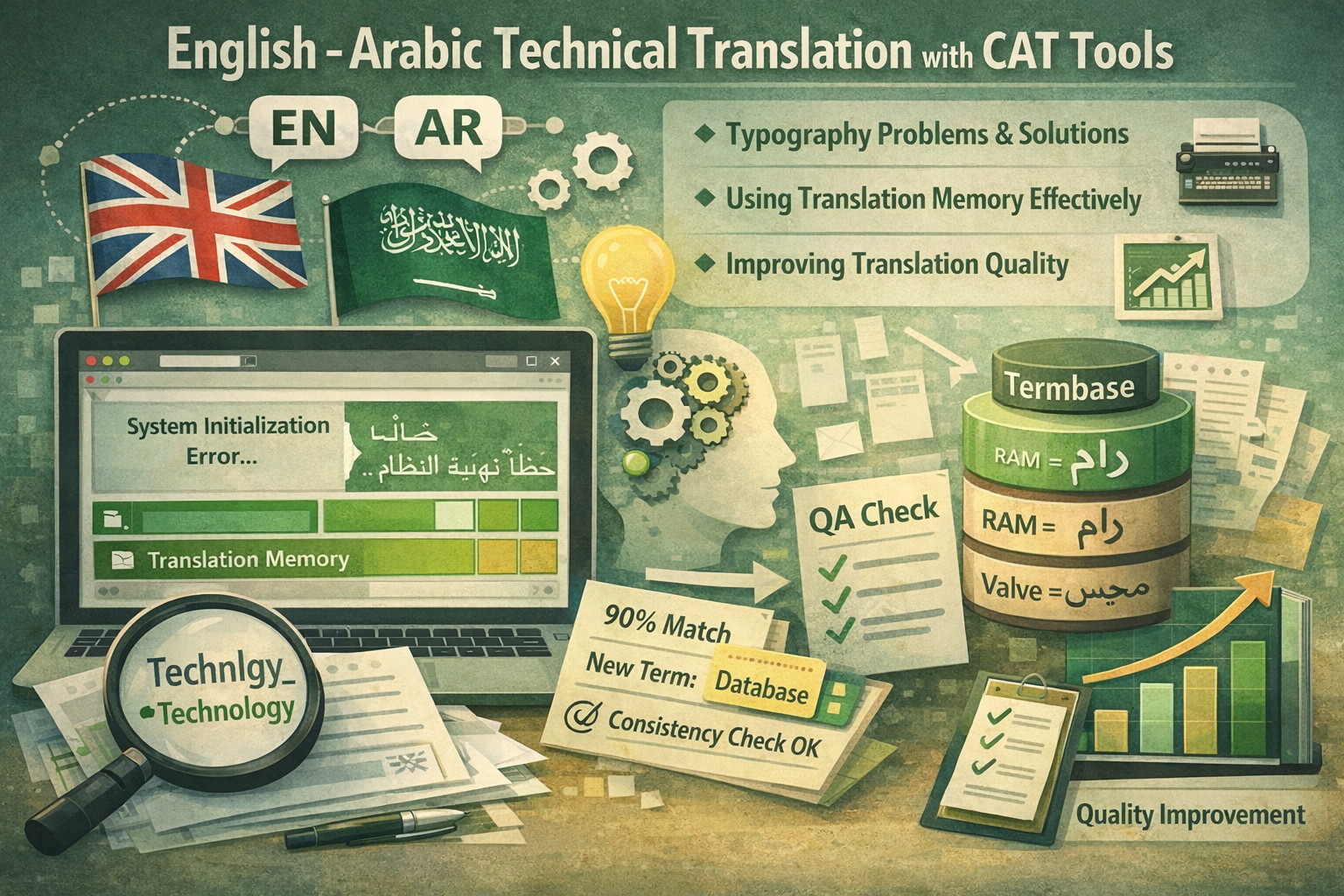
Computer-assisted translation (CAT) tools have transformed the professional translation industry. These tools — which include translation memory systems and terminology databases — help human translators work faster and maintain consistency across large projects. They don't replace human judgment; they augment it.
Machine translation, led by systems using neural networks, has made extraordinary advances in recent years. Tools like Google Translate and DeepL can produce remarkably fluent translations across dozens of language pairs, and in many contexts — especially for common language combinations and general content — the output quality is genuinely useful.
However, machine translation still struggles with highly specialized content, idioms, cultural nuance, and low-resource languages (languages with limited training data). For high-stakes content — legal documents, medical texts, marketing campaigns — human review remains essential.
File Formats and the Translation Workflow
In modern professional contexts, translation isn't just about language — it's also about handling documents in the formats your clients and colleagues use. PDFs, Word documents (.docx), Excel spreadsheets (.xlsx), and specialized translation file formats like XLIFF are all part of the everyday workflow.
This is where tools like linigu.cloud become invaluable. Whether you need to convert a PDF into an editable Word document before sending it to a translator, transform Trados or Transit localization files into Excel for review, or simply handle document format conversions as part of a multilingual publishing workflow, having the right conversion tools saves enormous amounts of time and reduces errors.
Linigu.cloud supports a wide range of document conversion tasks — from PDF and Word conversions to handling industry-standard localization file formats used by professional translators — as well as image conversion and QR code generation. For businesses and freelance translators managing multilingual projects, having all these tools in one accessible platform streamlines the entire workflow.
Why Translation Matters More Than Ever
Globalization has made translation not a luxury but a necessity. Companies that want to sell to international markets must communicate in their customers' languages — not just translate their websites, but genuinely speak to local audiences in culturally resonant ways. Studies consistently show that consumers are more likely to buy from websites in their own language, even when they can understand English.
In healthcare, translation errors can be fatal. In law, they can mean the difference between justice and injustice. In education, access to translated materials determines who gets to learn what. In politics and diplomacy, translation shapes international relationships and peace processes.
The internet has also democratized translation demand. Small businesses, individual creators, and nonprofit organizations now need multilingual communication that was once only a concern for large corporations. This has driven innovation in translation tools and platforms, making professional-quality translation more accessible than ever before.
Quality in Translation: What Makes a Good Translation?
A high-quality translation is accurate, fluent, and appropriate for its intended audience and purpose. It reads as if it were written originally in the target language, not as if it were translated. It preserves the tone and register of the original — formal stays formal, casual stays casual — and it handles culturally specific content with sensitivity.
Quality also depends on the purpose. A rough machine translation might be perfectly adequate for understanding a foreign-language news article for personal curiosity. That same level of quality would be completely inadequate for a pharmaceutical package insert or a court submission.
Professional translators typically follow a process of translation, editing, and proofreading — often by different individuals — to catch errors and inconsistencies before final delivery. For organizations producing large volumes of translated content, style guides and glossaries ensure consistency across documents and over time.
How to Get Started With Translation Today
Whether you're a business owner needing to expand into new markets, a student working with foreign-language academic sources, a legal professional handling international documents, or a translator building your professional workflow, the right tools make an enormous difference.
Start by understanding what kind of translation you need. Is it a quick conversion of a PDF for personal understanding, or a polished, publication-ready document for a global audience? The answer will guide your choice of tools and whether you need human expertise.
For document handling, format conversion, and file management in your translation workflow, explore what linigu.cloud has to offer. From converting PDFs and Word documents to handling Trados and Transit files, it's a practical toolkit for anyone working with multilingual content.
Conclusion
Translation is one of humanity's oldest and most vital activities — a bridge between minds that would otherwise be separated by the accident of language. It's both a technical discipline and a deeply human art. As the world becomes more connected, the demand for high-quality translation will only grow, and the tools to support that work will continue to evolve.
Understanding translation means understanding communication itself: not just what we say, but how we say it, to whom, and in what context. Whether you're working with ancient texts or cutting-edge software, the fundamental challenge remains the same — to carry meaning faithfully from one human mind to another, across whatever distance language puts between them.