Translators in the AI Era: Challenges, Conversion Strategies, and New Opportunities
The translation industry is experiencing one of the most dramatic transformations in its history. Artificial intelligence, neural machine translation, and large language models are changing how translation is produced, reviewed, and delivered. For many translators, the rise of AI has raised difficult questions: Will AI replace translators? What new skills are required? How should translators adapt their workflows?
While the rapid growth of AI tools certainly creates challenges, it also opens up new opportunities. Translators who understand how to integrate AI into their workflow — rather than compete with it — can remain competitive and even expand their services.
In this article, we explore the major challenges translators face in the AI era, the new conversion strategies required to work with modern translation tools, and the emerging opportunities for professionals who adapt early.
The Changing Landscape of the Translation Industry

4
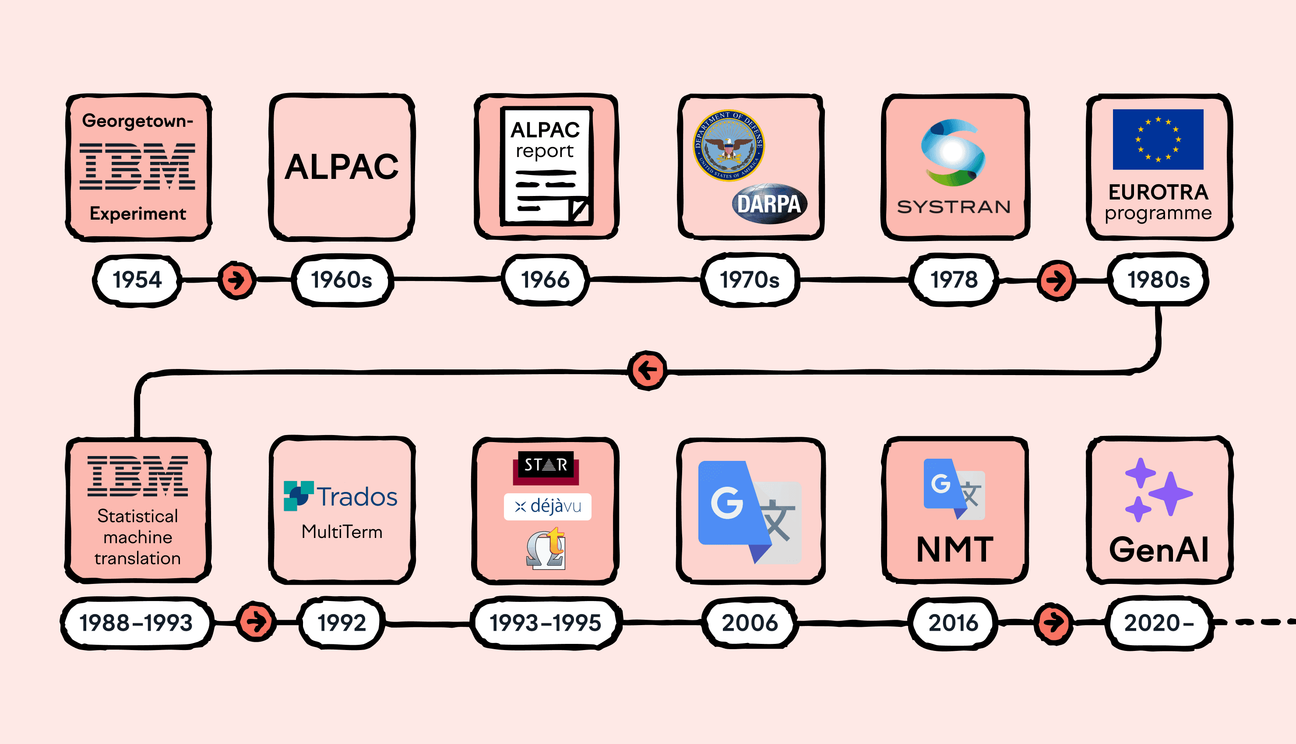
Only a decade ago, most professional translation workflows relied primarily on CAT tools such as SDL Trados Studio, memoQ, or Transit NXT. These tools helped translators reuse previous translations through translation memories and maintain terminology consistency.
Today, however, the landscape has expanded dramatically. AI-powered systems such as neural machine translation engines and large language models can generate translations instantly. Many companies now integrate machine translation directly into their localization pipelines.
At first glance, this might seem like bad news for translators. But in reality, the situation is more complex. AI has changed the type of work translators perform rather than eliminating the need for human expertise.
Human translators are increasingly responsible for tasks such as:
-
Post-editing machine translation
-
Quality assurance and linguistic validation
-
Terminology management
-
Domain-specific translation
-
Cultural adaptation and localization
AI can generate text quickly, but it still struggles with nuance, technical accuracy, legal precision, and cultural sensitivity. This is where professional translators continue to provide value.
Major Problems Translators Face in the AI Era
4
Despite new opportunities, translators face several real challenges in the modern AI-driven environment.
1. Increased Productivity Expectations
Clients now expect faster turnaround times because machine translation can generate draft translations instantly. Translators are often asked to review and correct machine output within tight deadlines.
While this can increase productivity, it can also create pressure and unrealistic expectations if workflows are not managed properly.
2. Lower Pricing Pressure
Some clients mistakenly assume that AI translation eliminates most of the work. As a result, translators may encounter lower rates for post-editing tasks compared to traditional translation.
Professional translators must therefore demonstrate the value of their expertise and emphasize quality, specialization, and linguistic accuracy.
3. Fragmented Tool Ecosystems
Modern translation workflows often involve multiple tools:
-
CAT tools
-
machine translation engines
-
terminology databases
-
QA software
-
file converters
Managing these systems efficiently requires technical understanding and flexible workflows.
Why File Conversion Has Become a Critical Skill

4
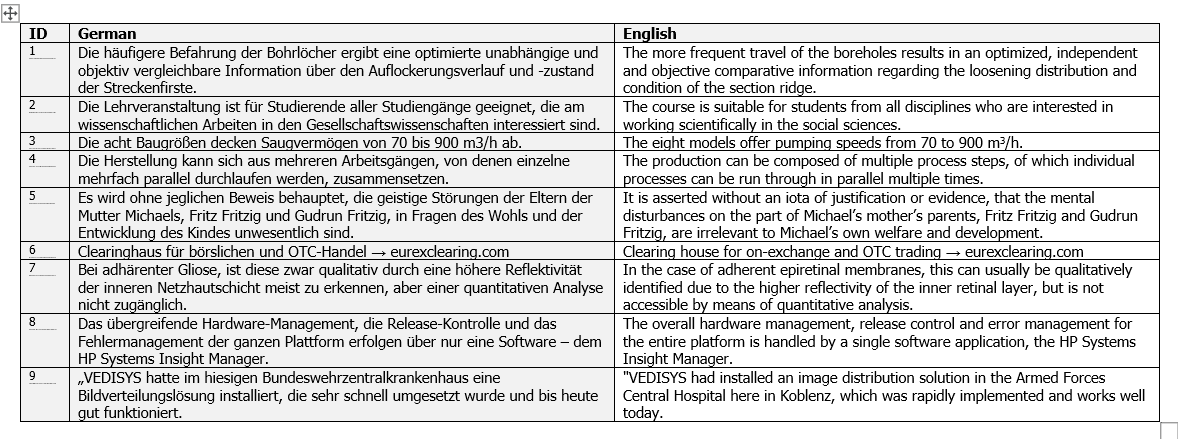
One often overlooked challenge in modern translation workflows is file interoperability.
CAT tools frequently use specialized formats such as:
-
SDLXLIFF
-
TMX
-
bilingual DOCX
-
proprietary project files
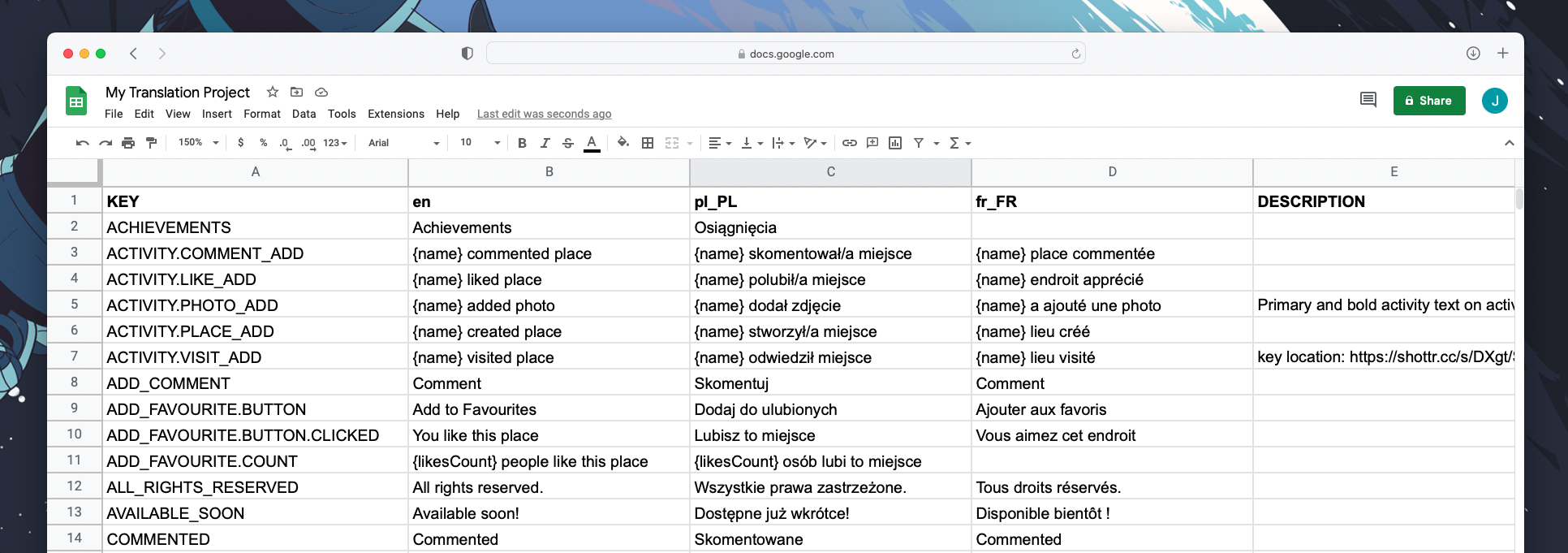
While these formats work well inside CAT tools, they can be difficult to review or analyze outside the software.
For example, translators and project managers often need to:
-
review translation segments quickly
-
analyze terminology usage
-
perform QA checks
-
share translations with clients who do not use CAT tools
In these cases, converting CAT tool files into simple formats such as Word or Excel becomes extremely valuable.
A Practical Solution: Viewing Trados Files Outside the CAT Tool
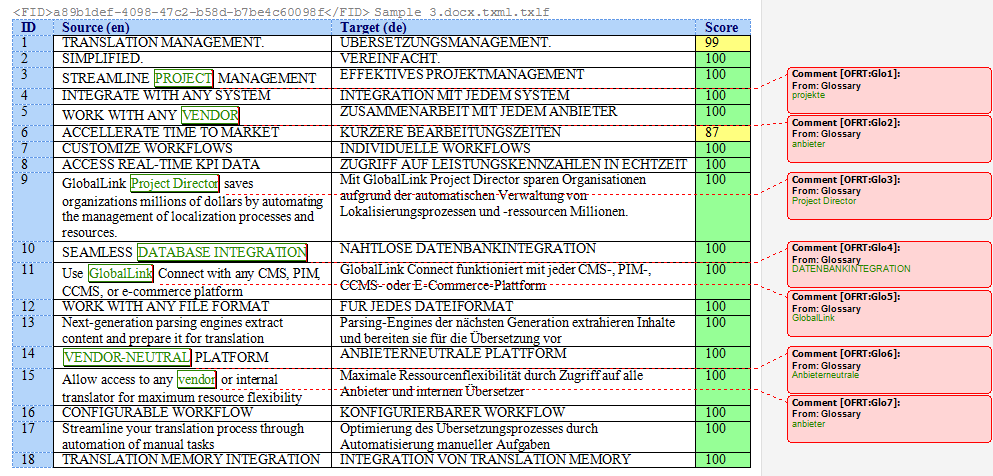
A practical way to simplify these workflows is to convert translation files into easily readable formats.
The SDL Studio Converter available on linigu.cloud helps translators quickly convert SDL Trados files into bilingual Word or Excel documents.
This makes it possible to:
-
instantly view translation segments
-
filter and analyze terminology
-
perform quality assurance checks
-
share translations with reviewers or clients
-
audit translation memories and segments
Instead of navigating complex CAT tool interfaces, translators can work with familiar formats like spreadsheets or Word tables.
This type of workflow integration becomes especially valuable in the AI era, where translators must move quickly between tools and analyze large amounts of linguistic data.
Converting Strategies for the Modern Translator
To remain competitive, translators should develop efficient conversion strategies that allow them to work across different tools and platforms.
Strategy 1: Separate Translation and Analysis
Many translators perform translation in CAT tools but review and analyze the results in Excel or other external tools.
Converting files into spreadsheets allows deeper analysis of:
-
terminology usage
-
repeated segments
-
translation consistency
Strategy 2: Combine AI with CAT Tools
Instead of replacing CAT tools, AI can complement them. Translators can use machine translation for initial drafts while relying on translation memories and terminology databases to maintain consistency.
Strategy 3: Maintain Clean Data
Clean linguistic data is essential for AI-assisted workflows. Converting translation files into structured formats helps translators maintain organized translation memories and terminology databases.
New Opportunities for Translators

Despite fears about automation, the AI era also creates many new opportunities for translators.
AI Post-Editing Specialists
Many companies need experts who can review machine translations and ensure they meet professional quality standards.
Terminology and Data Specialists
AI systems depend heavily on structured linguistic data. Translators who manage terminology databases and translation memories play a crucial role in maintaining quality.
Localization Consultants
Modern software and digital products require localization strategies across multiple languages and markets. Experienced translators can offer consulting services to help companies adapt content globally.
Multilingual Content Experts
Companies increasingly publish multilingual content for marketing, documentation, and e-commerce. Translators who combine language skills with technical knowledge can position themselves as multilingual content specialists.
The Future: Human Translators + AI

The future of translation is not a competition between humans and machines. Instead, it is a collaboration.
AI systems can process enormous amounts of text quickly, but they lack true cultural understanding, contextual reasoning, and domain expertise. Human translators bring these skills to the workflow.
The most successful translators will be those who combine:
-
linguistic expertise
-
technical skills
-
AI-assisted workflows
-
efficient file management and conversion strategies
By mastering these tools and adapting to new technologies, translators can remain essential players in the global communication ecosystem.
Conclusion
The AI revolution has changed the translation industry in profound ways. Translators now face new challenges such as increased productivity expectations, pricing pressure, and complex technology ecosystems.
However, these changes also create new opportunities for professionals who adapt their workflows. Learning how to integrate AI tools, manage translation data efficiently, and convert files into accessible formats can significantly improve productivity and quality.
Tools such as the SDL Studio Converter on linigu.cloud, which allows translators to instantly convert SDL Trados files into bilingual Word or Excel documents, help simplify modern translation workflows and support better quality control.
Rather than replacing translators, AI is transforming the profession. Those who embrace new technologies and develop efficient workflows will continue to play a vital role in multilingual communication.