Artificial intelligence has rapidly transformed the translation industry. Just a decade ago, translators relied almost entirely on human expertise and computer-assisted translation (CAT) tools. Today, AI-powered translation systems, neural machine translation (NMT), and automation tools have changed the way translation projects are produced, reviewed, and delivered.
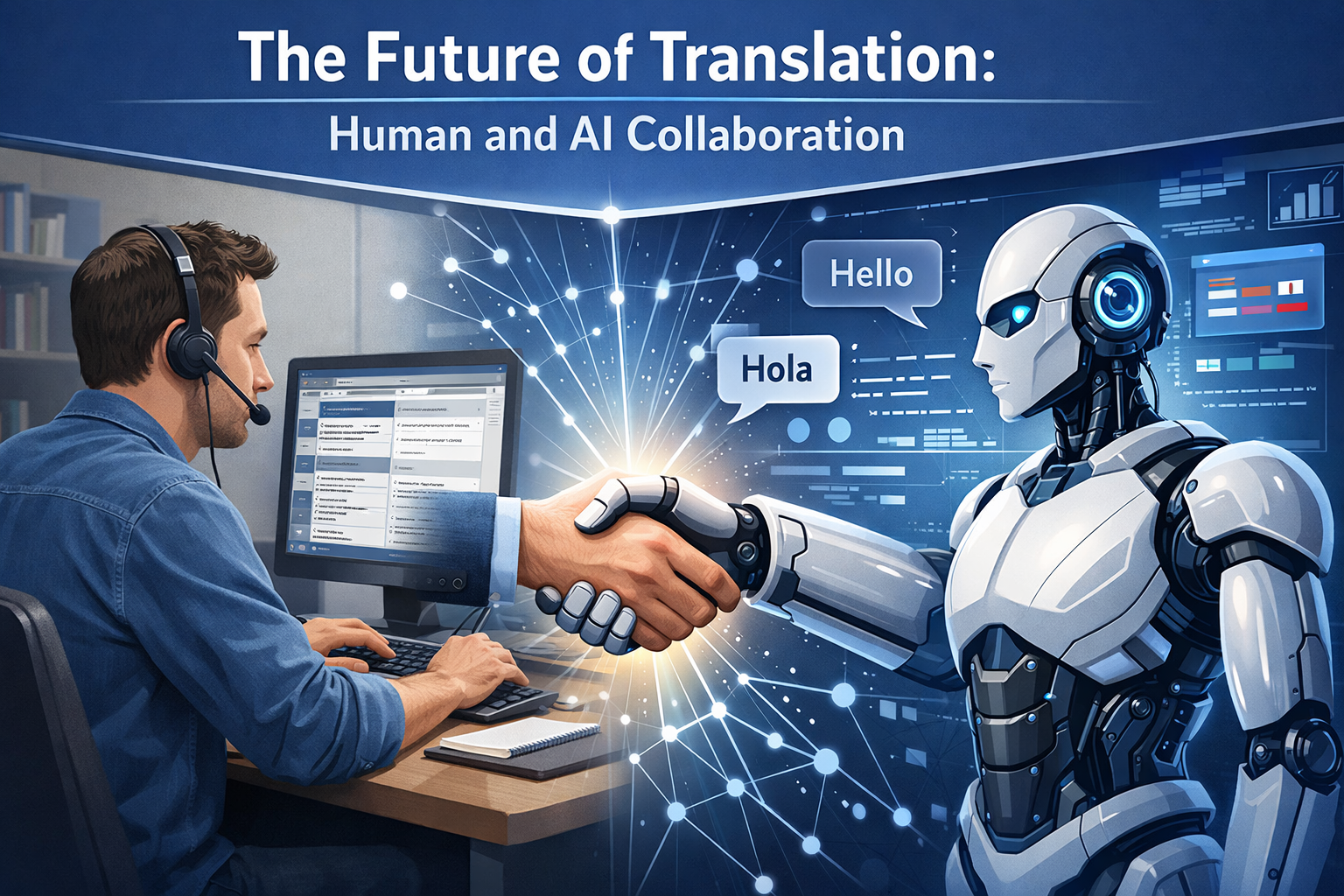
While some translators fear that AI might replace human translation, the reality is far more nuanced. Artificial intelligence is increasingly becoming a collaborative tool, helping translators work faster, manage large projects, and improve consistency.
In this article, we explore:
-
How AI is shaping modern translation practices
-
The challenges translators face in the AI era
-
New workflows combining AI and human expertise
-
Why file conversion and data accessibility remain crucial
-
How tools like the linigu.cloud SDL Studio Converter help translators work efficiently with modern translation technologies
The Rise of AI in Translation

Artificial intelligence in translation is largely driven by neural machine translation (NMT) systems. These systems use deep learning models trained on massive multilingual datasets to generate translations automatically.
Popular AI translation technologies include:
-
Neural machine translation engines
-
Large language models (LLMs)
-
AI-assisted terminology extraction
-
Automated quality estimation systems
Unlike earlier statistical translation systems, neural models analyze the context of entire sentences instead of translating word by word. This significantly improves translation quality.
However, AI systems still struggle with:
-
specialized terminology
-
cultural nuance
-
ambiguous phrasing
-
domain-specific language
This is why human translators remain essential.
Challenges Translators Face in the AI Era

The adoption of AI in translation has introduced new challenges for professionals in the industry.
1. Post-Editing Machine Translation (PEMT)
Many translators now work as post-editors, correcting machine-generated translations instead of translating from scratch.
While this can increase productivity, it also introduces new difficulties:
-
correcting subtle AI errors
-
maintaining style consistency
-
avoiding hidden mistranslations
2. Pricing Pressure
Because machine translation can produce drafts quickly, some clients assume translation should become cheaper.
However, high-quality post-editing still requires expertise and time.
3. Quality Control
AI systems can produce fluent text that appears correct but contains factual or contextual errors.
This makes quality assurance more important than ever.
The New Role of the Human Translator
Rather than replacing translators, AI is transforming their role.
Today’s translators increasingly act as:
Language Specialists
They ensure accuracy, tone, and cultural relevance.
Quality Controllers
They verify AI output and identify hidden translation errors.
Terminology Managers
They maintain translation memories and terminology databases.
Localization Experts
They adapt content for specific markets and audiences.
In other words, translators are evolving from pure text producers to language technology experts.
The Importance of Translation Data

4
Artificial intelligence relies heavily on large datasets.
In the translation industry, this data often comes from:
-
translation memories (TM)
-
bilingual corpora
-
terminology databases
-
multilingual content repositories
Translation memories are particularly valuable because they contain verified human translations that can train or support AI systems.
However, accessing and analyzing this data can be difficult because many CAT tools store translations in proprietary formats.
Why File Accessibility Matters

4
Modern translation workflows increasingly require translators to access and analyze translation data outside the CAT tool environment.
For example, translators may need to:
-
review translation segments in spreadsheets
-
perform terminology audits
-
run quality assurance checks
-
share translation data with clients or project managers
However, CAT tools like SDL Trados Studio store translation data in formats such as:
-
SDLXLIFF
-
SDLTM
-
SDLTB
These formats are optimized for CAT tools but can be difficult to open or analyze directly.
Converting Translation Files for Analysis

To make translation data easier to work with, many translators convert CAT-tool files into formats like:
-
Microsoft Word
-
Excel spreadsheets
-
bilingual tables
These formats allow translators to:
-
quickly review large translation datasets
-
perform terminology checks
-
identify inconsistencies
-
collaborate with reviewers
This type of workflow is becoming increasingly important in AI-assisted translation environments, where large amounts of translation data must be analyzed.
How linigu.cloud Supports Modern Translation Workflows
To help translators work more efficiently with modern translation technologies, linigu.cloud provides an SDL Studio Converter that allows users to quickly convert SDL Trados files into accessible formats.
With free registration, translators can:
-
convert SDL Trados files instantly
-
export translations to Word or Excel
-
review bilingual content easily
-
analyze translation data outside CAT tools
-
share files with reviewers or clients
This can be especially useful when working with AI-generated translations, because reviewing bilingual segments in spreadsheets can reveal issues that are difficult to detect inside complex CAT tool interfaces.
For translators who want to inspect their translation data instantly, conversion tools like this can significantly simplify the workflow.
The Future of AI and Translation
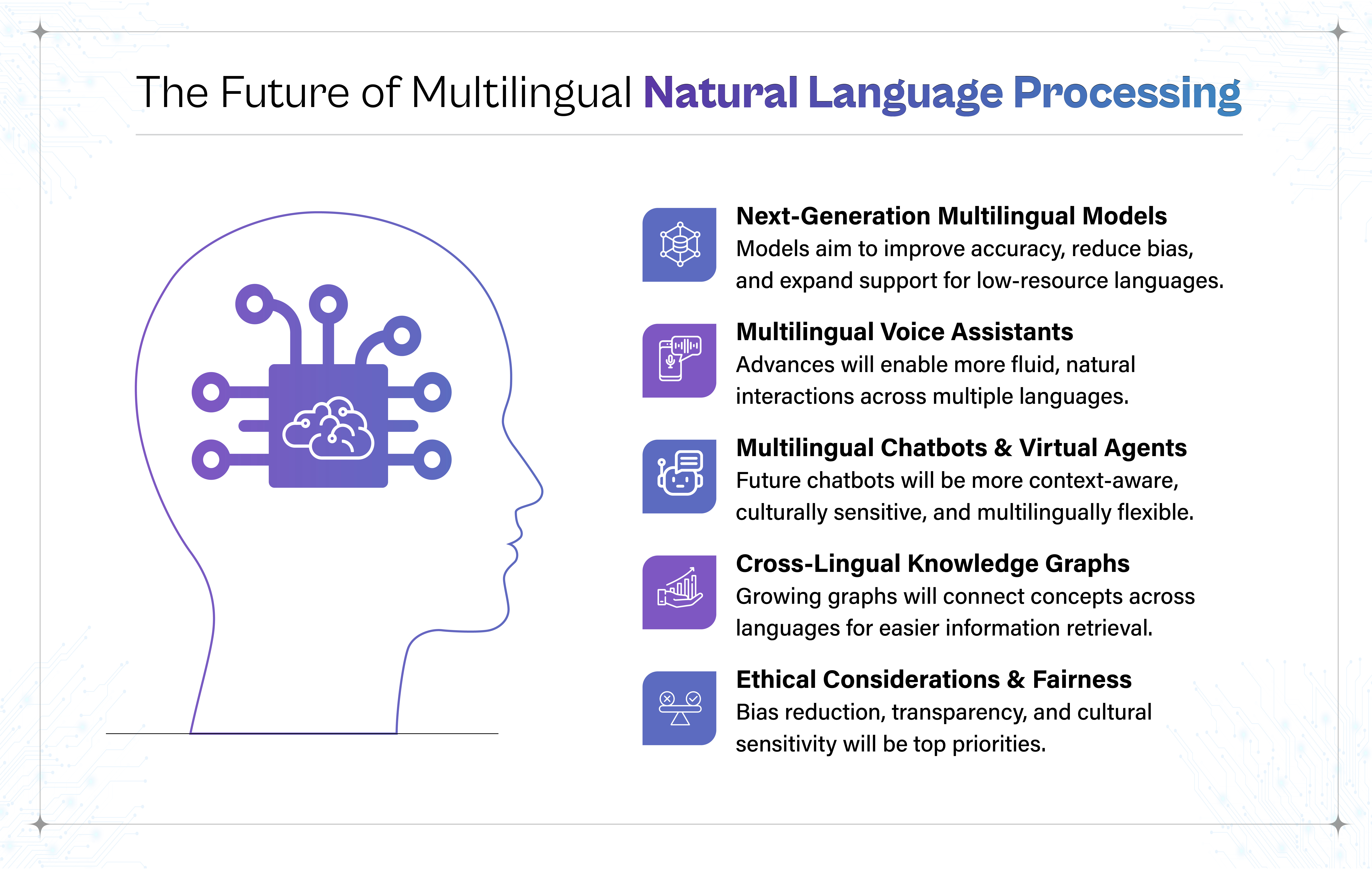
The translation industry will continue evolving as artificial intelligence advances.
Some emerging trends include:
AI-Assisted Terminology Extraction
AI systems can automatically identify terminology from large corpora.
Quality Prediction
Some tools can estimate translation quality without human review.
Adaptive Machine Translation
AI models can learn from translator corrections in real time.
Multimodal Translation
Future systems may translate text, audio, and images simultaneously.
Despite these developments, human translators will remain essential because language is deeply connected to culture, context, and communication.
AI can generate text, but only humans can ensure meaning, nuance, and trust.
Conclusion
Artificial intelligence is fundamentally changing how translation projects are produced and managed. Rather than replacing human translators, AI is becoming a powerful tool that supports productivity and automation.
In modern translation workflows, professionals must combine multiple technologies:
-
CAT tools
-
AI translation engines
-
quality assurance systems
-
data analysis tools
Access to translation data is becoming increasingly important in this ecosystem.
Tools like the linigu.cloud SDL Studio Converter help translators unlock their translation data by converting SDL Trados files into Word or Excel formats, making it easier to review, analyze, and collaborate.
As AI continues to reshape the translation industry, translators who embrace new technologies and workflows will be best positioned to succeed in the evolving language services market.