Linigu Blog
Professional articles on translation, CAT tools, and language technology
Välkommen till Linigu-bloggen
Linigu-bloggen är en kunskapsplattform för professionella översättare och lokaliseringsexperter. Här hittar du praktiska artiklar om CAT-verktyg som SDL Trados Studio, filformat, terminologihantering och moderna översättningsflöden.
linigu.cloud skapades för att lösa verkliga problem inom översättning. I bloggen visar vi hur du analyserar SDL-filer och använder Linigu SDL Studio Converter för att snabbt visa filer i Word eller Excel.
Bloggen är utformad för att hjälpa dig att arbeta mer effektivt, förbättra kvaliteten och bättre förstå de verktyg du använder dagligen.
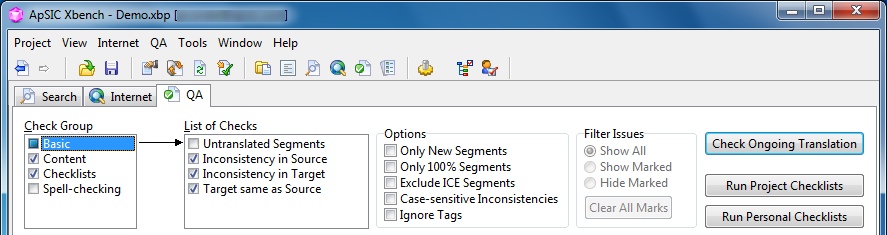
Xbench Verification for SDL Trados Projects: Advanced QA Beyond Built-In Checks
Learn how to use Xbench verification with SDL Trados projects and how converting files to bilingual Word or Excel improves QA results.
Transit NXT File Formats Explained: PPF and TPF Files, How to Open Them, and How to Convert Transit Files to Excel
Learn what Transit NXT PPF and TPF files are, how to open them, whether memoQ supports them, and how to convert Transit files to Excel.
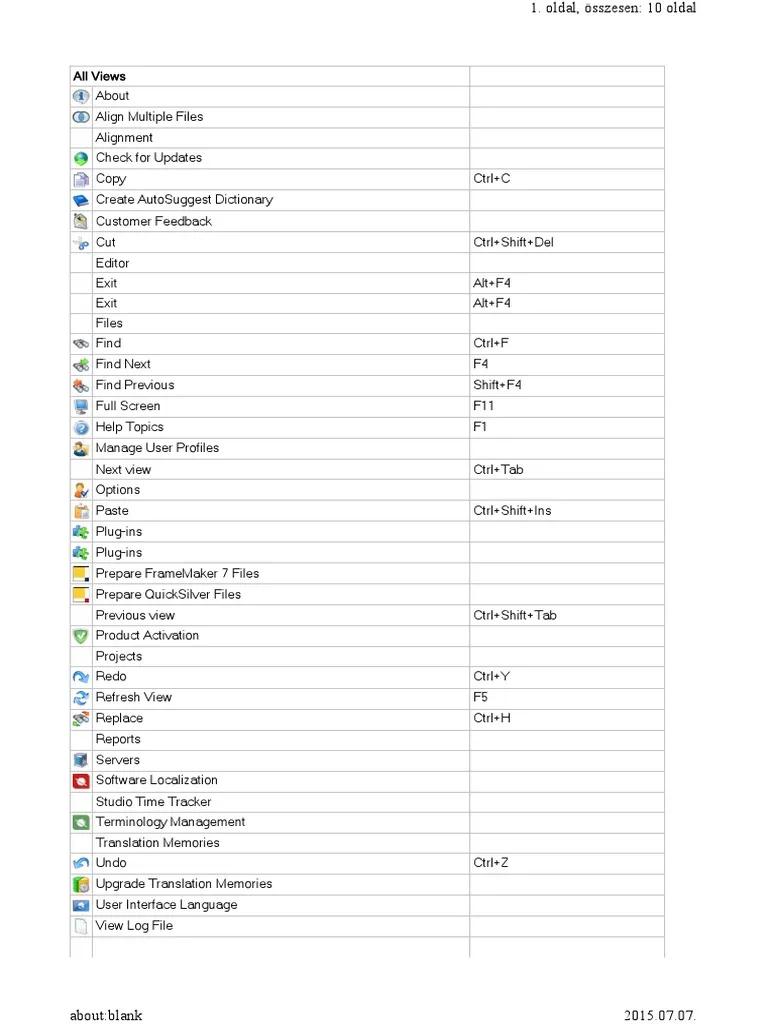
How to Work with Transit NXT — Workflow and Shortcut Comparison with SDL Trados
Learn what Transit NXT is, how it enhances translation memory workflows, and how to convert Transit files into Excel or Word with linigu.cloud.
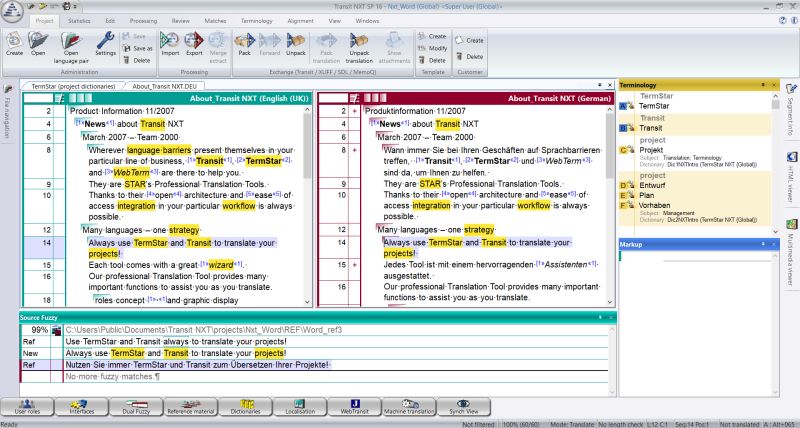
What Is Transit NXT? A Complete Guide for Professional Translators
Learn what Transit NXT is, how it enhances translation memory workflows, and how to convert Transit files into Excel or Word with linigu.cloud.

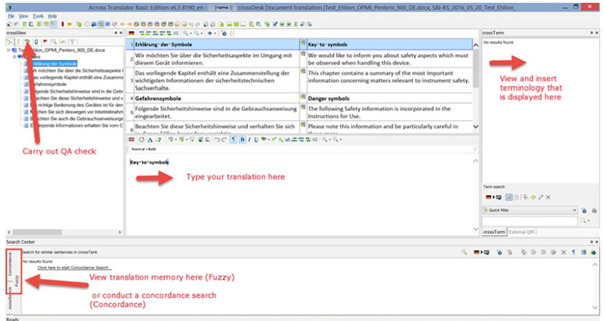
QA Checks in SDL Trados: How to Improve Translation Quality and Speed
Learn how QA checks in SDL Trados work, their limitations, and how converting files to Word or Excel improves translation quality and review.
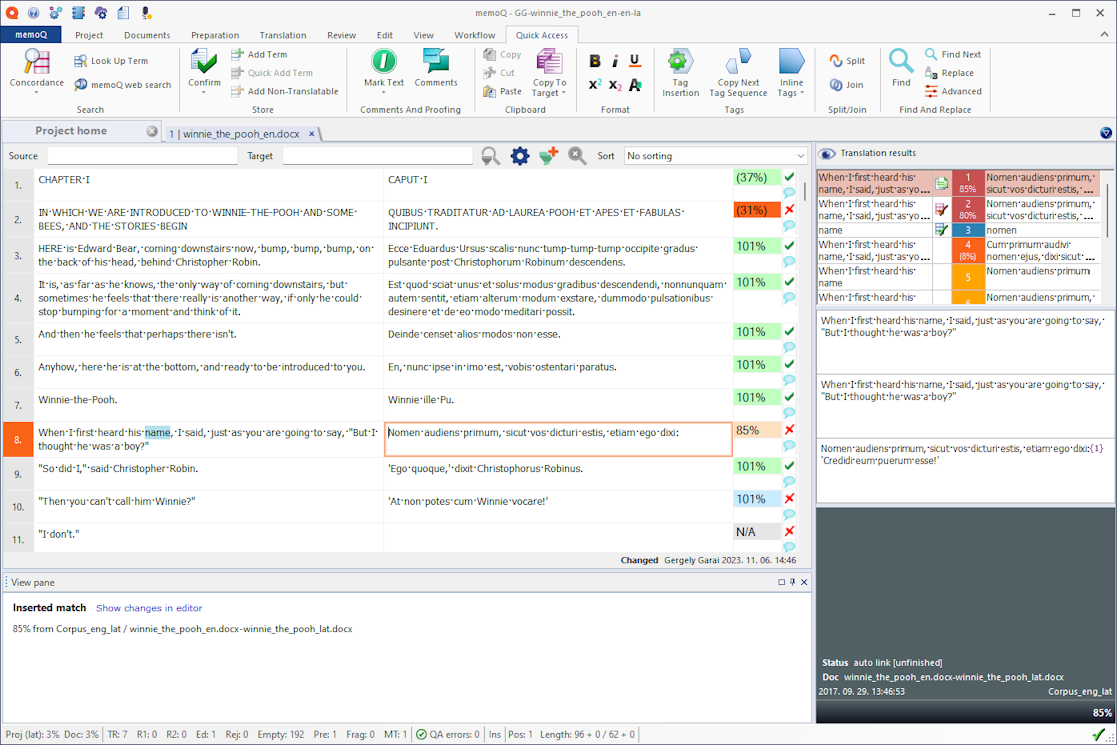
MemoQ Translation Memory and Termbase Explained: Why TM Files Are Easy to Export but Termbases Are Complex
Learn how MemoQ Translation Memories and Termbases differ, why termbases are complex, and how to convert MemoQ files into Word or Excel easily.
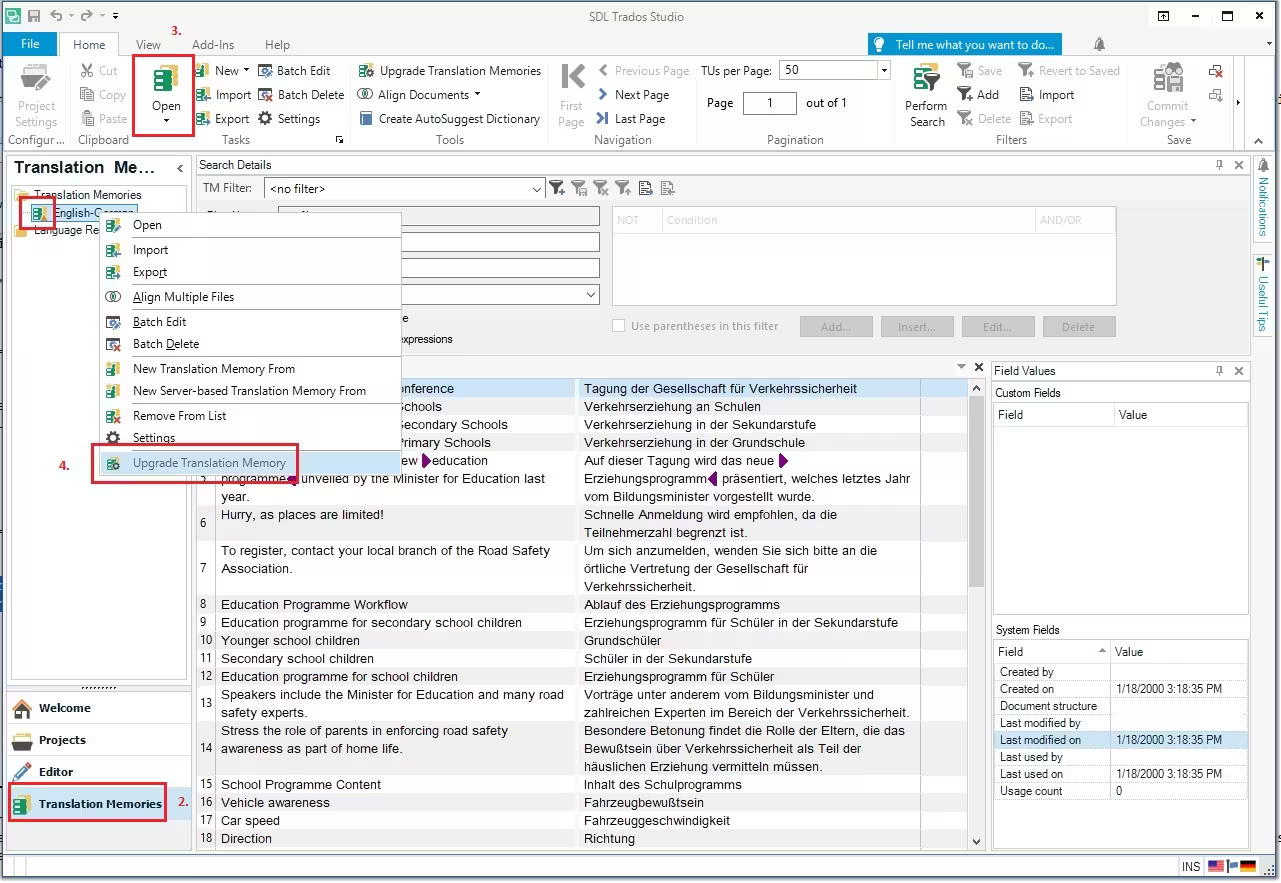
SDL Trados Translation Memory and Termbase Explained: Why TM Files Are Easy to Export but Termbases Are Not
Translation Memories and Termbases in SDL Trados serve different purposes. Learn why TM files are easy to convert and why termbases require advanced tools.
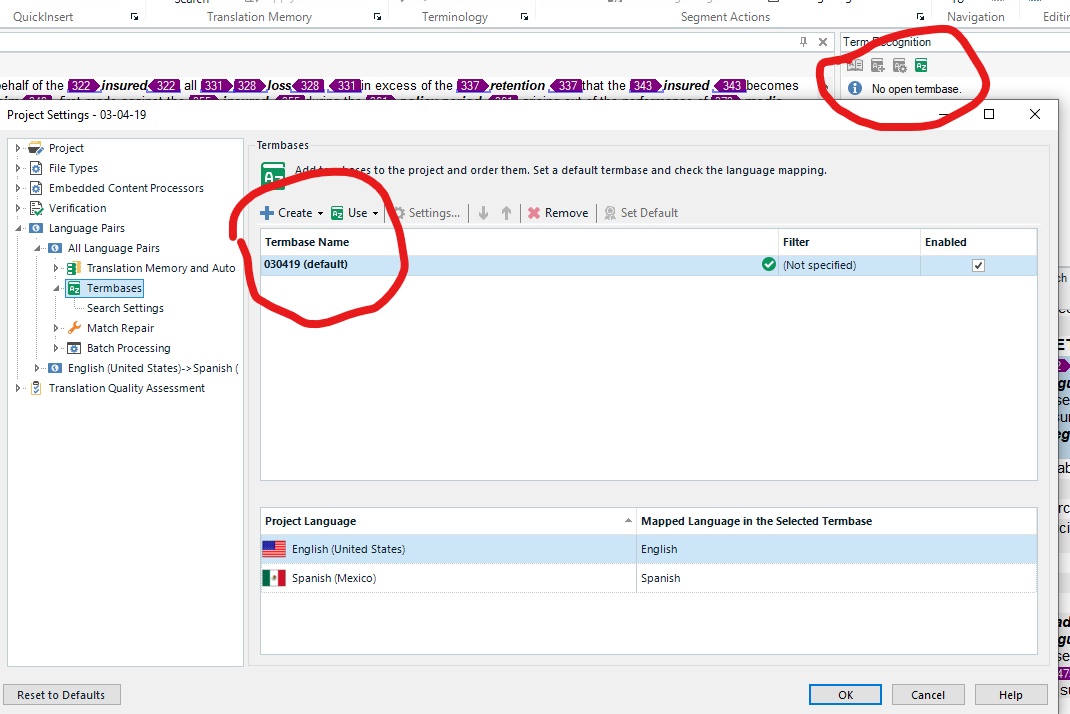
What Is an SDLTB File? How to Open and Convert SDL Terminology Databases
SDLTB files are SDL Trados terminology databases that store structured multilingual term data. This guide explains what SDLTB files are, how to open them, and how to convert them into DOCX, Excel, or XML formats easily.
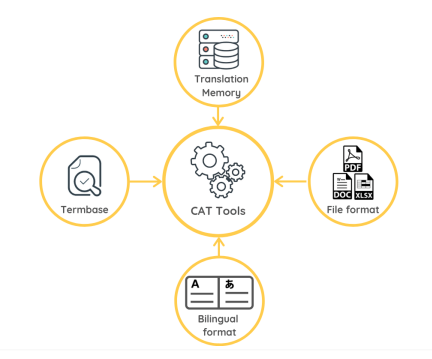
What is an SDLTM File? How to Open, Use, and Convert SDL Trados Translation Memories
SDLTM files are SDL Trados translation memory files used by professional translators. Learn what they are, how to open them, and how to convert SDLTM files to DOCX, Excel, or XML formats.
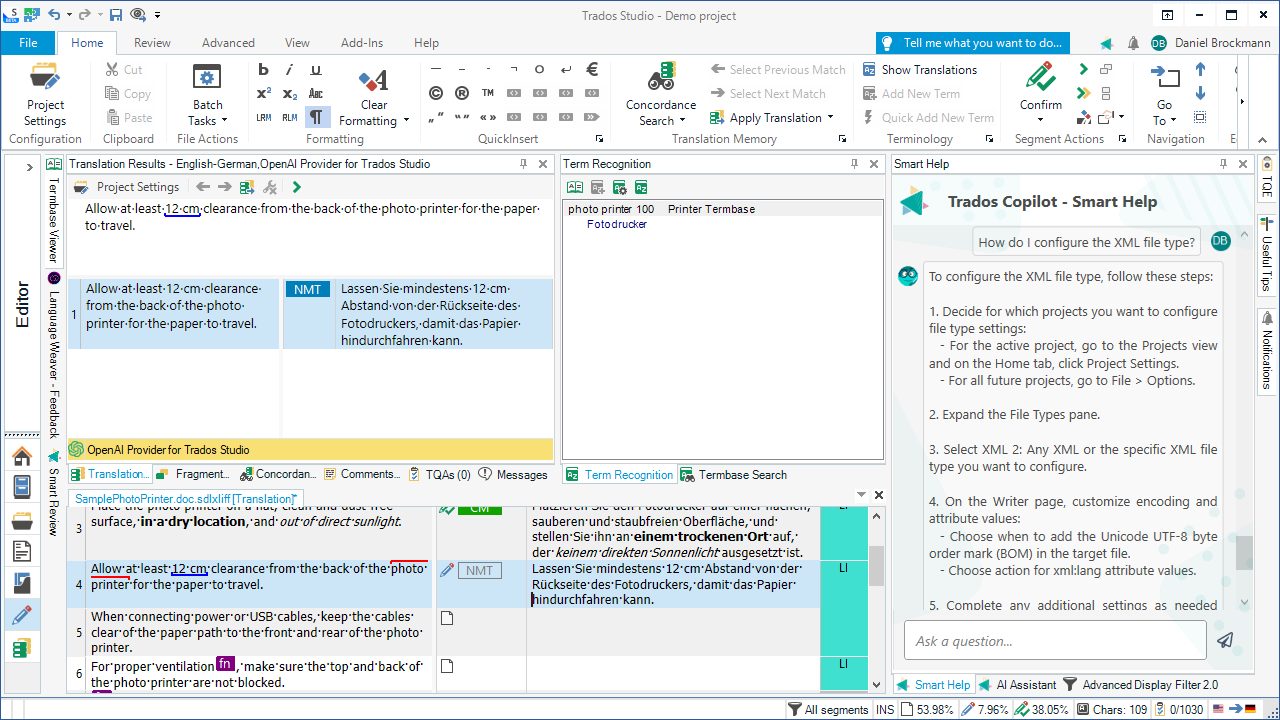
What Is an SDLXLIFF File? How to Open, Edit, and Convert SDL Trados XLIFF Files
SDLXLIFF files are bilingual translation files used in SDL Trados Studio. This guide explains what SDLXLIFF files are, how to open them, and how to convert them into DOCX or Excel formats easily.
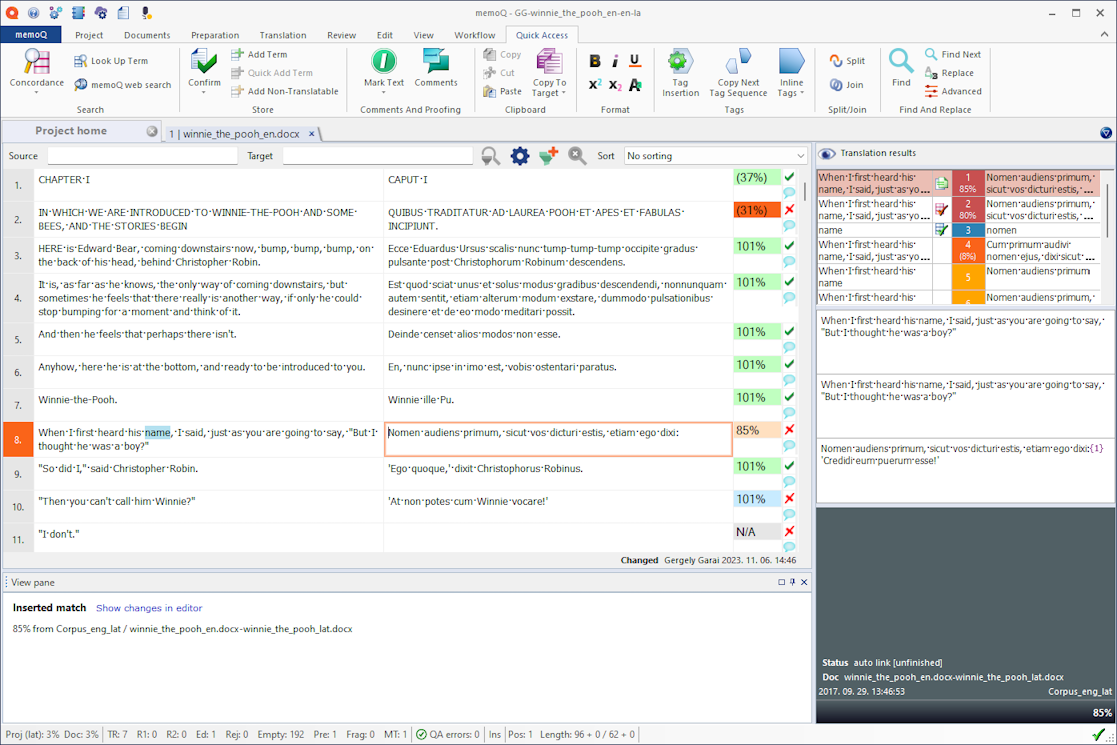
What is Memoq and How To Use It
MemoQ is a professional CAT tool widely used by translators and LSPs. This article explains what MemoQ is, how to use it, how to open MemoQ file extensions, and explores the key differences between proofreading human translations and machine translations.