Linigu Blog
Professional articles on translation, CAT tools, and language technology
Välkommen till Linigu-bloggen
Linigu-bloggen är en kunskapsplattform för professionella översättare och lokaliseringsexperter. Här hittar du praktiska artiklar om CAT-verktyg som SDL Trados Studio, filformat, terminologihantering och moderna översättningsflöden.
linigu.cloud skapades för att lösa verkliga problem inom översättning. I bloggen visar vi hur du analyserar SDL-filer och använder Linigu SDL Studio Converter för att snabbt visa filer i Word eller Excel.
Bloggen är utformad för att hjälpa dig att arbeta mer effektivt, förbättra kvaliteten och bättre förstå de verktyg du använder dagligen.
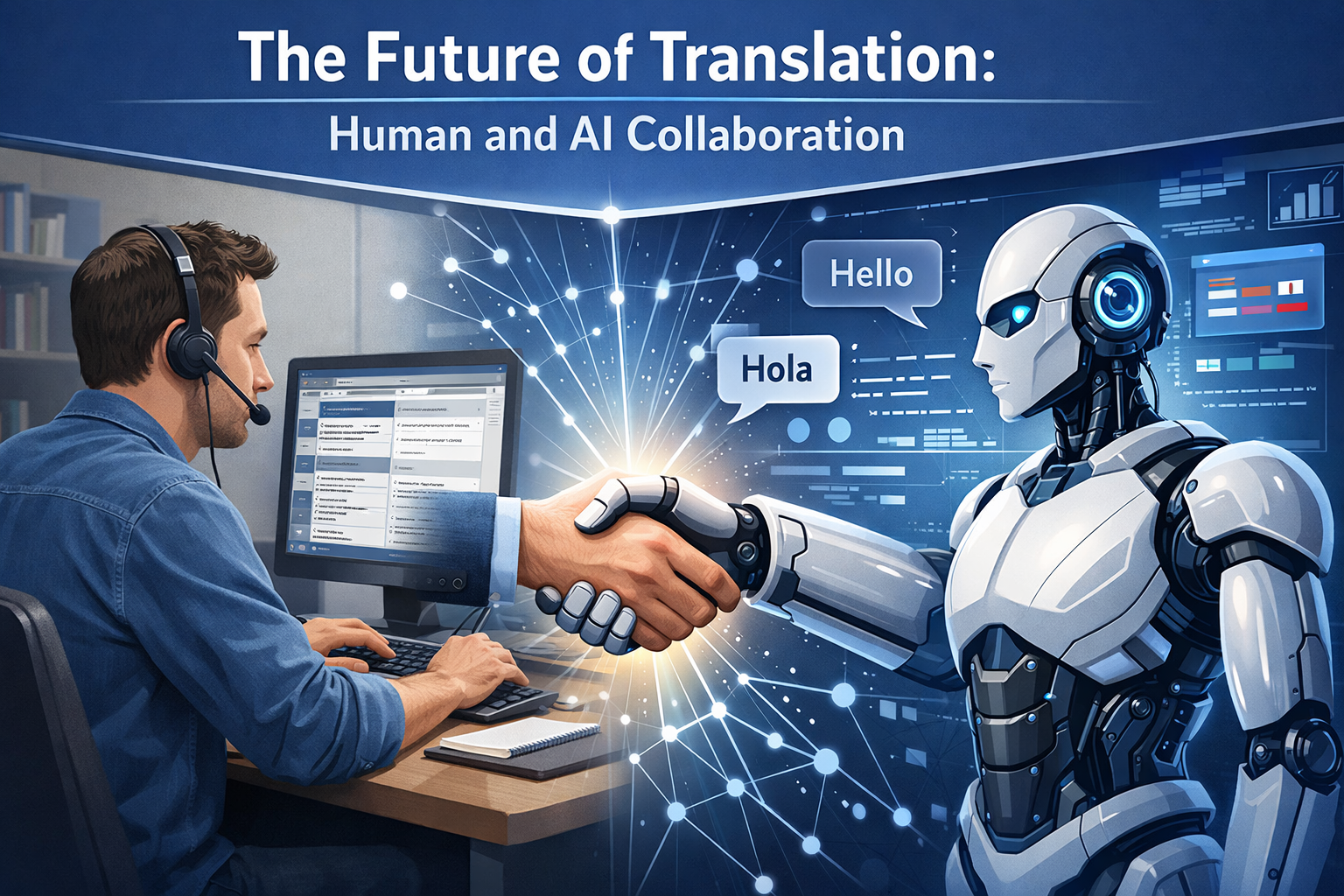
Will AI Make Translators Unemployed? The Truth About Translation Jobs in 2026
As AI translation technology advances rapidly, professional translators worldwide are asking: will artificial intelligence render human translation obsolete? This comprehensive analysis explores the real impact of AI on translation careers, examining current job market trends, why human expertise remains irreplaceable, and practical strategies for translators to thrive in an AI-driven era. Discover how specialization, tools like SDL Studio Converter, and strategic adaptation can secure your tran

The Role of AI Translation in Modern Language Learning
AI translation is not just for productivity. Discover how AI translation supports language learning and comprehension in real-world contexts.
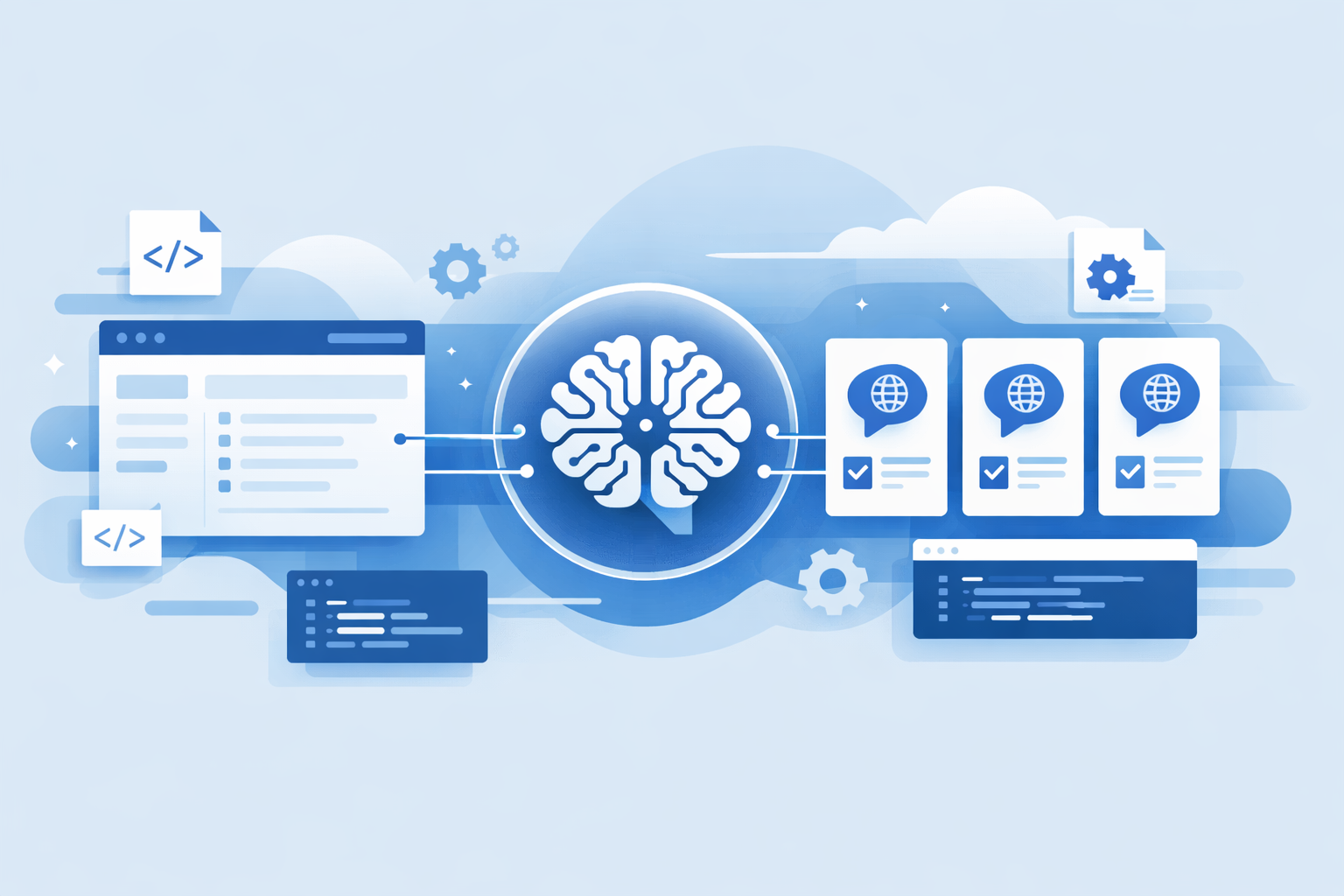
What Is AI Localization and How Does It Work?
AI localization is transforming how software and digital products reach global audiences. This guide explains what AI localization is and how Lingiu.Cloud makes it simple.

AI Translation and Machine Translation are often used interchangeably, but they are not the same. This article explains their differences, strengths, and limitations.
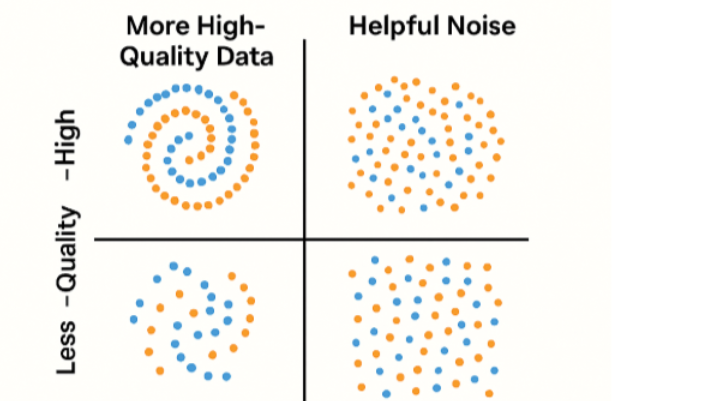
Not every Translation Memory is suitable for AI training. This article explains how to clean, structure, and prepare TM data for effective AI and MT models.

Data annotation is the unseen work behind modern AI systems. This article explains what data annotation is, why it matters, and how it shapes future projects.
Prompt engineering has emerged as a critical skill in the age of artificial intelligence, and at its core lies a fundamental truth: the language you use to communicate with AI systems directly determines the quality, relevance, and accuracy of the outputs you receive. Understanding how to craft effective prompts is not just about knowing what to ask, but about understanding how language shapes machine understanding.

Artificial intelligence speaks multiple languages simultaneously—from the binary code that runs on processors to the natural human language it uses to interact with us. Understanding the various linguistic layers of AI reveals not just how these systems work, but how they're bridging the gap between human communication and machine computation in increasingly sophisticated ways.