
Introduction: Why This Difference Matters
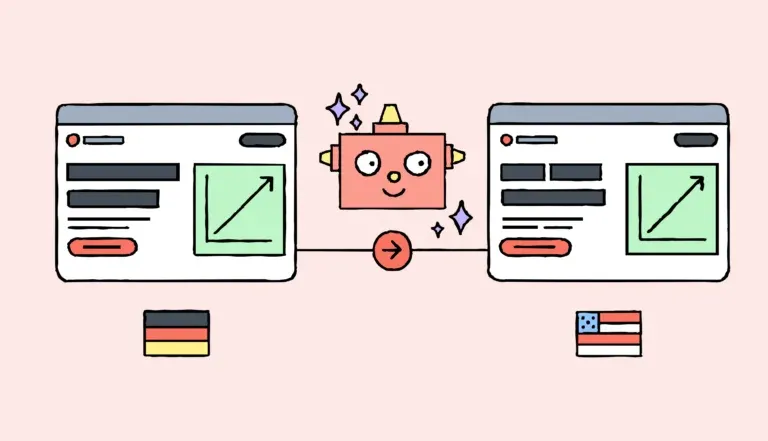

In today’s translation industry, the terms AI translation and Machine Translation (MT) are often used as if they mean the same thing.
They do not.
Understanding the difference is critical for:
-
Translation buyers
-
Localization managers
-
Professional translators
-
AI and data teams
Confusing these concepts leads to wrong expectations, poor quality decisions, and misuse of technology.
This article clearly explains what separates AI translation from traditional machine translation—and why the distinction matters.
1. What Is Machine Translation (MT)?
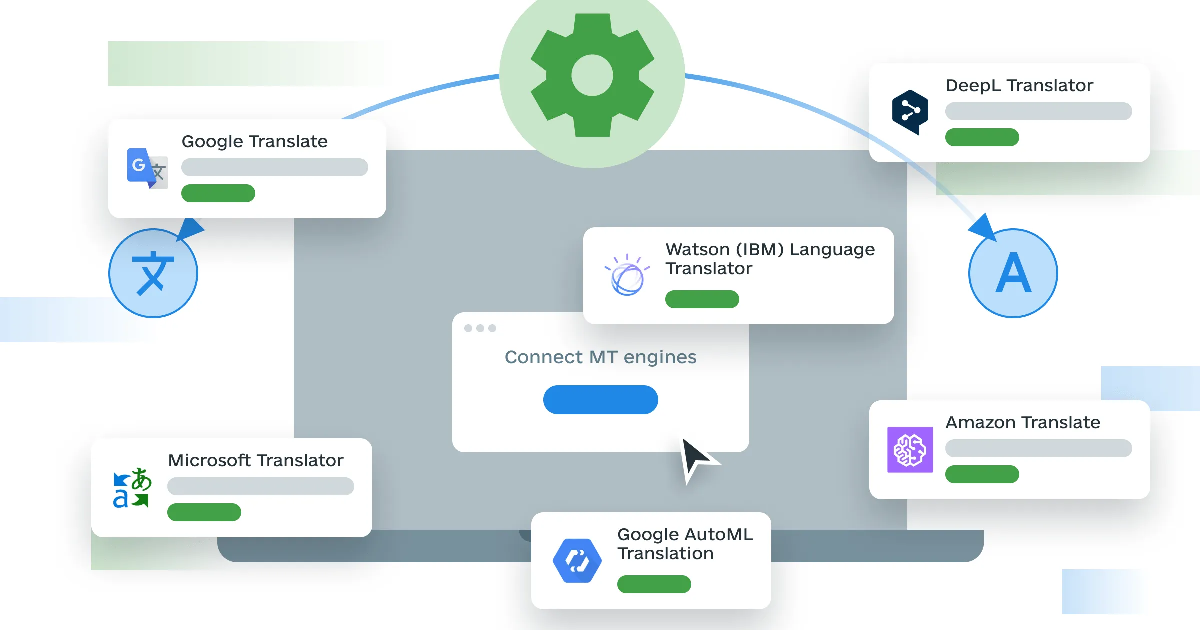
Machine Translation refers to systems designed specifically to convert text from one language to another.
Modern MT is typically:
-
Neural Machine Translation (NMT)
-
Trained on parallel bilingual corpora
-
Optimized for sentence-level translation accuracy
Examples include:
-
Google Translate
-
DeepL
-
Microsoft Translator
MT systems focus on linguistic mapping, not understanding.
2. What Is AI Translation?

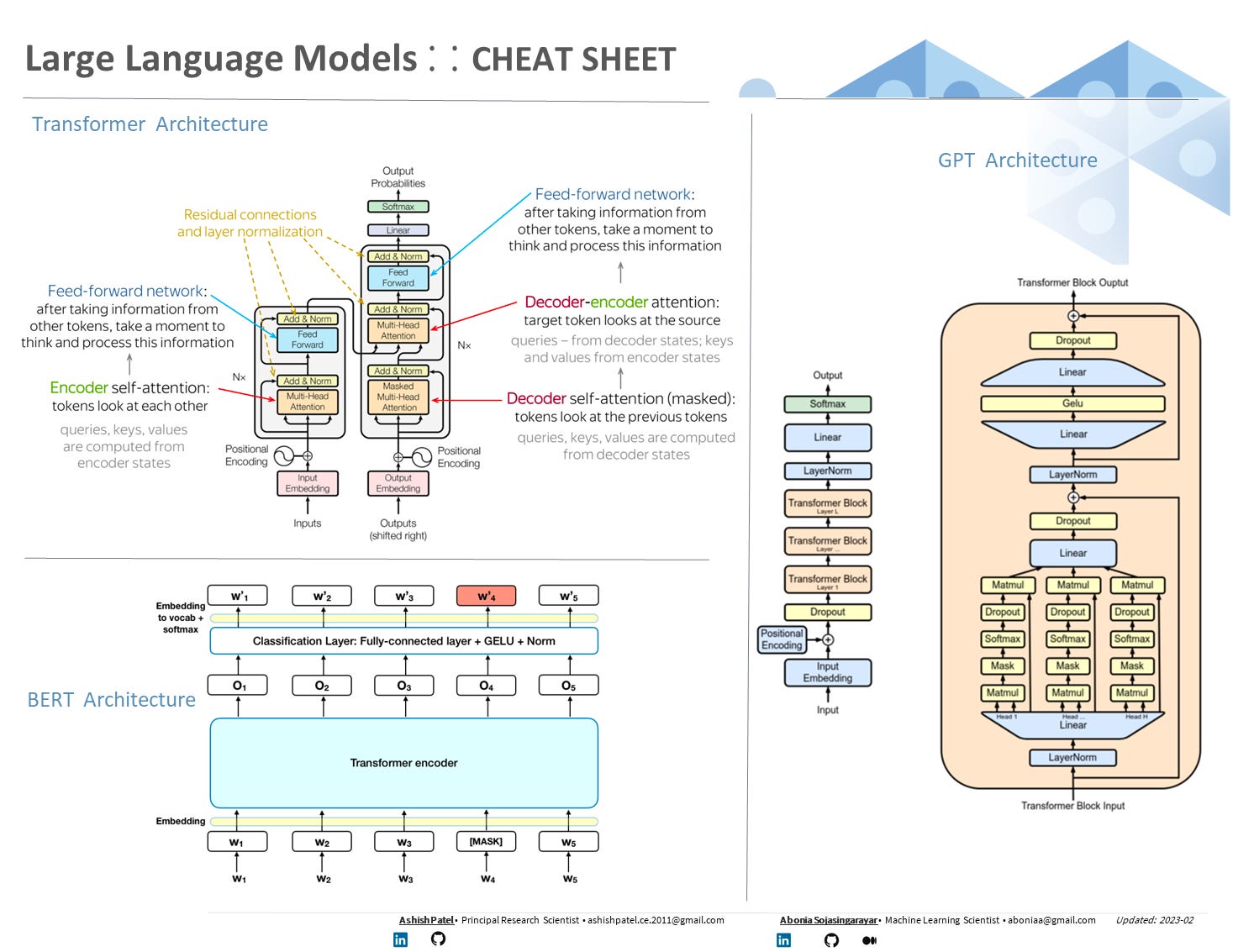
AI Translation is a broader concept that uses general-purpose AI models, usually large language models (LLMs), to perform translation as one of many tasks.
AI translation systems:
-
Are not translation-only engines
-
Use reasoning, prediction, and context modeling
-
Can explain, rewrite, summarize, and translate
Examples include:
-
LLM-based translation workflows
-
Chat-based translation systems
-
Hybrid AI localization tools
Translation is a capability, not the core function.
3. Training Data: Focus vs Generalization

Machine Translation:
-
Trained on parallel bilingual text
-
Highly domain-dependent
-
Performance improves with clean aligned data
AI Translation:
-
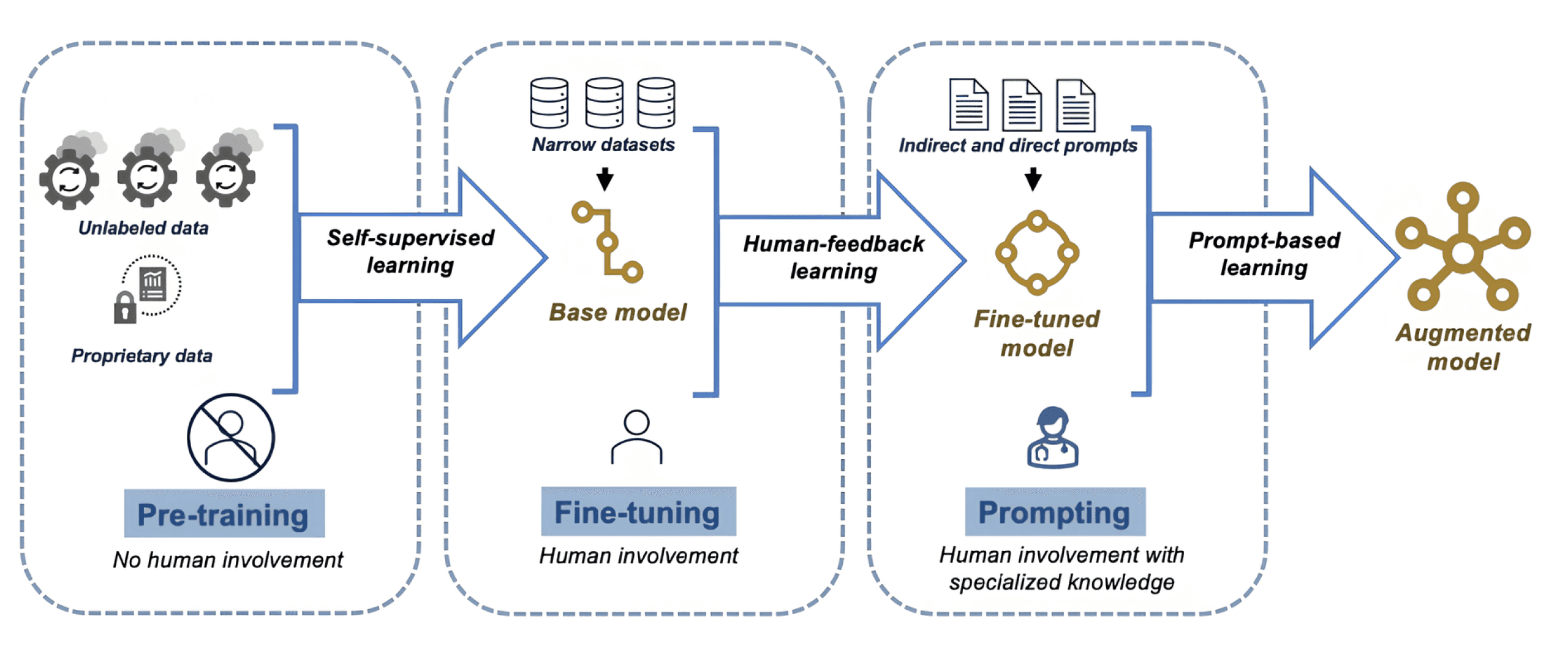
Trained on massive multilingual, multi-purpose datasets
-
Learns language patterns, not just translation pairs
-
Less dependent on strict alignment
This difference explains why MT is often more consistent, while AI translation is more flexible.
4. Context Handling and Consistency
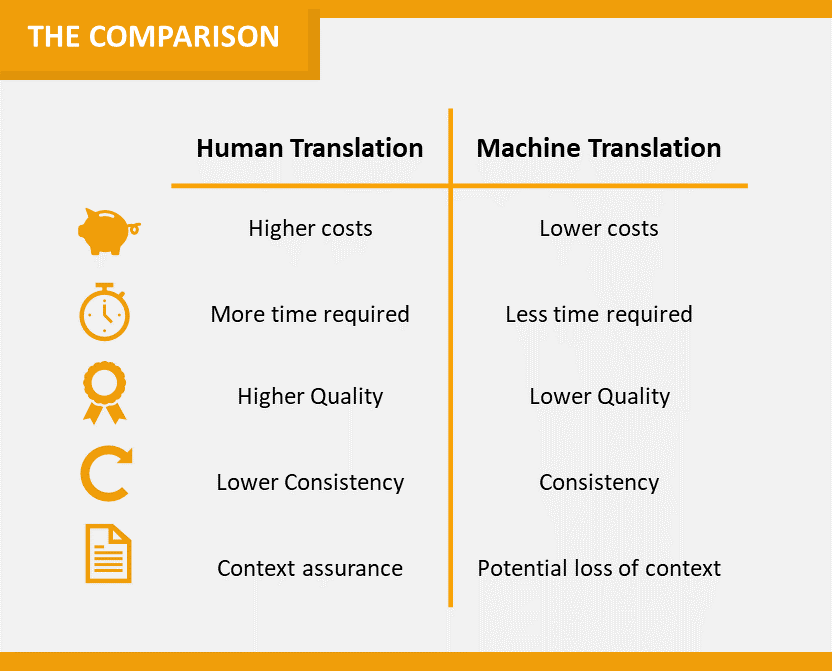

Machine Translation:
-
Works primarily at sentence level
-
Limited long-range context
-
High terminological consistency when trained correctly
AI Translation:
-
Can process long context windows
-
Adapts style and tone dynamically
-
May sacrifice consistency for fluency
For technical and legal texts, consistency often matters more than fluency.
5. Terminology Control

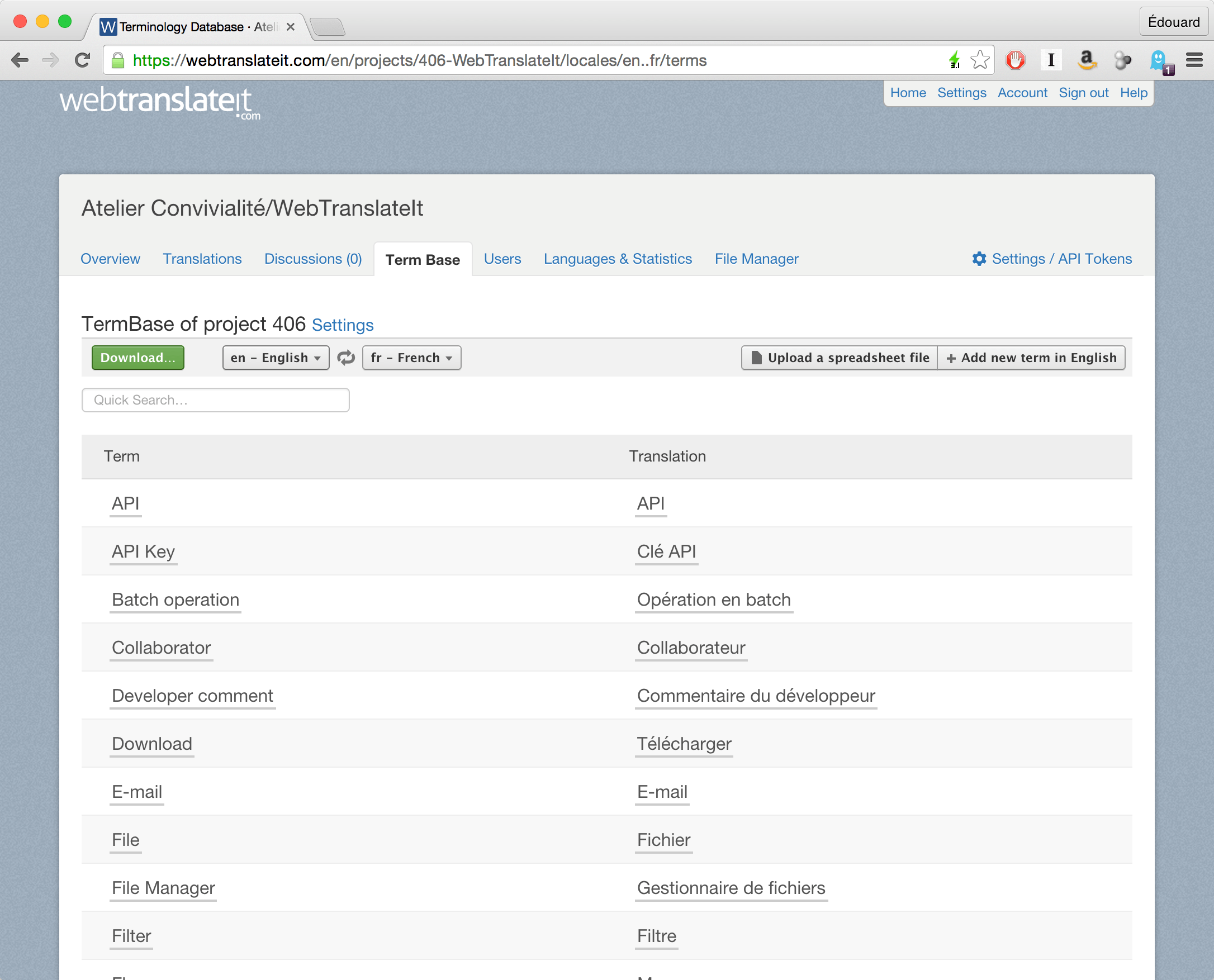
Machine Translation:
-
Can be constrained with termbases
-
Supports terminology injection
-
Predictable behavior
AI Translation:
-
Terminology compliance is weaker
-
May override preferred terms
-
Requires external enforcement mechanisms
This makes MT safer for regulated industries.
6. Error Patterns and Risks

Machine Translation errors:
-
Literal mistranslations
-
Grammar issues
-
Repetitive phrasing
AI Translation errors:
-
Hallucinations
-
Added or missing information
-
Over-confident wrong output
MT fails visibly.
AI fails convincingly—which is more dangerous.
7. Use Cases: When to Use Which


Use Machine Translation when:
-
Accuracy and consistency are critical
-
Terminology must be enforced
-
Content is technical or legal
-
MT post-editing workflows exist
Use AI Translation when:
-
Content is creative or exploratory
-
Context adaptation matters
-
Rewriting or summarization is needed
-
Speed and flexibility outweigh strict control
They solve different problems.
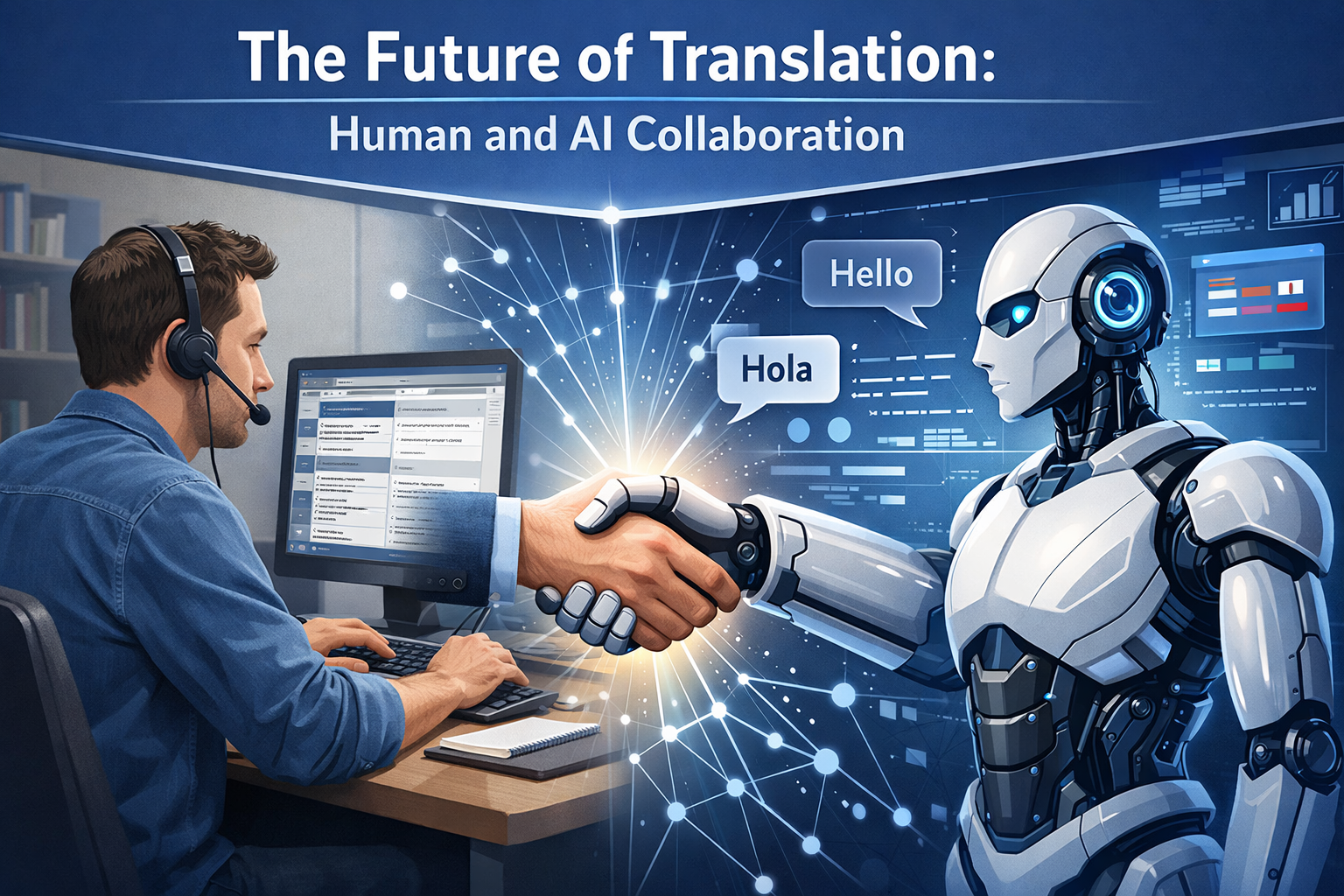
8. The Future: Convergence, Not Replacement

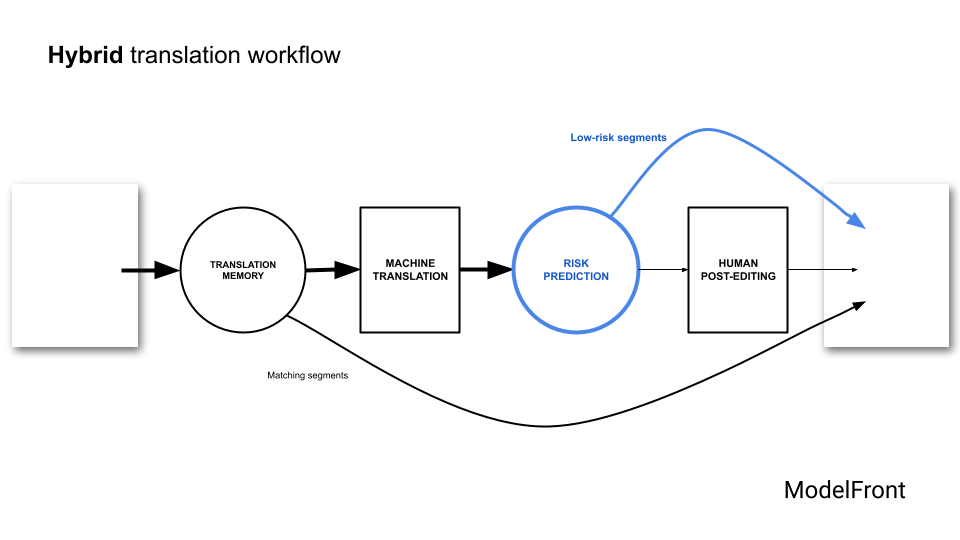
The future is not AI instead of MT.
The industry is moving toward:
-
Hybrid systems
-
MT engines enhanced by AI
-
AI systems constrained by MT rules
Human translators remain essential—for validation, control, and accountability.
Conclusion: Precision vs Intelligence
Machine Translation is:
-
Precise
-
Controlled
-
Specialized
AI Translation is:
-
Flexible
-
Context-aware
-
General-purpose
They are not competitors.
They are tools with different strengths.
Choosing the wrong one is not a technical mistake—it is a strategic error.

Comments ()
No comments yet. Be the first to comment!