The translation and linguistics profession is experiencing a remarkable transformation. While traditional translation work faces disruption from machine translation, an entirely new ecosystem of career opportunities is emerging for language professionals. Translators and linguists with strong language skills are finding lucrative, flexible work in data annotation, AI training, linguistic evaluation, and language technology development—fields that didn't exist a decade ago but now offer competitive pay and remote work options.
The Data Annotation Revolution: What It Means for Linguists
Data annotation has become one of the fastest-growing fields for language professionals in 2026. Every major AI company—from OpenAI and Google to Anthropic and Meta—requires massive amounts of carefully labeled linguistic data to train their language models. This creates unprecedented demand for people who can understand, analyze, and categorize language with precision.
Linguistic data annotation involves reviewing text, audio, or multimodal content and labeling it according to specific guidelines. Annotators might identify named entities, classify sentiment, evaluate translation quality, mark grammatical structures, or assess whether AI-generated responses are accurate and culturally appropriate. Unlike traditional translation, these roles leverage your language expertise in entirely new ways.
The work is intellectually engaging and directly shapes how AI systems understand and generate language. For translators accustomed to working with text, cultural context, and linguistic nuance, data annotation represents a natural career expansion that builds on existing skills while opening new income streams.
Compensation: What Linguists Actually Earn in 2026
One of the most compelling aspects of linguistic annotation and AI training work is the competitive compensation. Rates vary based on language, specialization, and complexity, but the earning potential is substantial:
Entry-Level Annotators: Earn between $15-$20 per hour for basic tasks like content classification or simple labeling work. Platforms like DataAnnotation offer starting rates around $20+ per hour with flexible scheduling.
Specialized Domain Annotators: Professionals working on medical, legal, financial, or technical content command $20-$30 per hour. These roles require subject matter expertise alongside linguistic skills.
Lead Annotators and Quality Reviewers: Experienced professionals who review others' work, develop annotation guidelines, or coordinate projects earn $28-$40 per hour.
Full-Time Linguistic Specialists: According to job market data, full-time positions for linguistic annotators and AI language specialists typically offer annual salaries between $40,000-$70,000, with senior roles at major tech companies reaching $80,000-$110,000.
For context, ZipRecruiter reports the average data annotation specialist in the United States earns approximately $52,488 annually ($25.23 per hour), with top earners making $75,000-$112,500. These figures represent real opportunities for language professionals to diversify income or transition into stable, well-paying tech roles.
Types of Opportunities for Language Professionals
The spectrum of available roles extends far beyond basic annotation. Here are the major categories creating demand for linguistic expertise:
AI Training and Evaluation
Companies developing large language models need human experts to evaluate AI-generated content. This involves rating responses for accuracy, fluency, cultural appropriateness, and helpfulness. Evaluators provide the feedback that makes AI systems smarter and more reliable. Major platforms hiring for these roles include xAI, OpenAI (through contractors), Google, and specialized firms like Invisible Agency and Scale AI.
Multilingual Content Annotation
Bilingual and multilingual professionals are particularly valuable. Tasks include translating and annotating content across languages, ensuring cultural sensitivity in localization projects, and helping AI systems understand multilingual contexts. Fluency in less common languages or specific dialects can command premium rates.
Audio and Speech Annotation
Speech recognition systems require transcription, emotion tagging, accent identification, and speaker intent classification. These roles combine listening skills with linguistic analysis, often involving work on conversational AI, voice assistants, and automatic speech recognition improvements.
Linguistic Guidelines Development
Experienced linguists create the rulebooks and standards that other annotators follow. This higher-level work involves defining annotation protocols, resolving complex linguistic questions, and ensuring consistency across large annotation teams. These positions offer intellectual challenge and better compensation.
Conversational AI and Dialogue Systems
Specialists work on chatbots, virtual assistants, and customer service AI by designing dialogue flows, classifying user intents, and extracting entities from conversations. This field blends linguistics with product design and user experience.
Translation Quality Assessment
Rather than translating, many linguists now evaluate machine-generated translations for fluency, accuracy, and cultural appropriateness. This post-editing and quality assessment work is essential for companies deploying machine translation at scale.
Skills That Make Language Professionals Competitive
Success in these emerging roles requires more than just language proficiency. The most competitive candidates combine traditional linguistic expertise with new technical and analytical skills:
Strong Analytical Thinking: Ability to identify patterns, spot inconsistencies, and make judgment calls on ambiguous cases.
Attention to Detail: Precision matters enormously when your annotations directly train AI systems. Small errors compound across thousands of examples.
Cultural Competence: Understanding how language varies across cultures, regions, and contexts—exactly what translators already know.
Technical Comfort: Familiarity with annotation platforms, spreadsheets, and basic data tools. No coding required for most roles, but technical aptitude helps.
Communication Skills: Ability to explain linguistic decisions, ask clarifying questions, and collaborate with technical teams.
Self-Management: Most annotation work is remote and self-directed, requiring discipline and time management.
How to Break Into Linguistic Annotation and AI Training
For translators and linguists looking to diversify into these fields, the barrier to entry is surprisingly low. Here's a practical roadmap:
Start with Entry-Level Platforms: Platforms like DataAnnotation, OneForma, Lionbridge AI, and Appen actively recruit language professionals. Many require no prior annotation experience—just strong language skills and an assessment test.
Take Skills Assessments: Most platforms require completing unpaid qualification tests to demonstrate linguistic competence. These are typically straightforward for experienced translators.
Build a Portfolio of Quality Work: Track your accuracy rates, throughput, and specialized project types. Strong performance leads to higher-tier assignments.
Specialize in a Domain: Focus on areas where you have subject expertise—medical, legal, technical—to access better-paying specialized annotation work.
Network and Learn: Join communities of annotators, follow AI and NLP developments, and stay informed about which companies are hiring.
Consider Full-Time Positions: Once you've built experience, apply for salaried roles at tech companies. Search for titles like 'Linguistic Analyst,' 'AI Language Specialist,' 'Annotation Quality Lead,' or 'Multilingual Evaluator.'
Major Employers and Platforms
The market for linguistic talent is competitive, with numerous reputable companies hiring. Here are key players to know:
• DataAnnotation: Leading platform offering $20+ per hour for diverse AI training tasks
• xAI, OpenAI, Google, Meta, Anthropic: Major AI labs hiring linguistic contractors and full-time specialists
• Welocalize: Specializes in AI data services alongside traditional localization
• Lionbridge AI and Appen: Large-scale annotation and AI training data providers
• OneForma: Diverse AI training opportunities with flexible scheduling
• Indeed, LinkedIn, and ZipRecruiter: Search terms include 'linguistic annotation,' 'AI trainer,' 'language data analyst,' and 'multilingual evaluator'
Leveraging Your Translation Background
Translators possess exactly the skills annotation work demands. Your experience with:
• Cultural nuance and context-dependent meaning
• Grammatical analysis and linguistic structure
• Quality assessment and error detection
• Working with terminology and domain-specific language
• Meeting deadlines and managing self-directed work
All directly transfer to annotation roles. Position yourself as a language professional with deep expertise in understanding how language actually works—not just someone who can translate words.
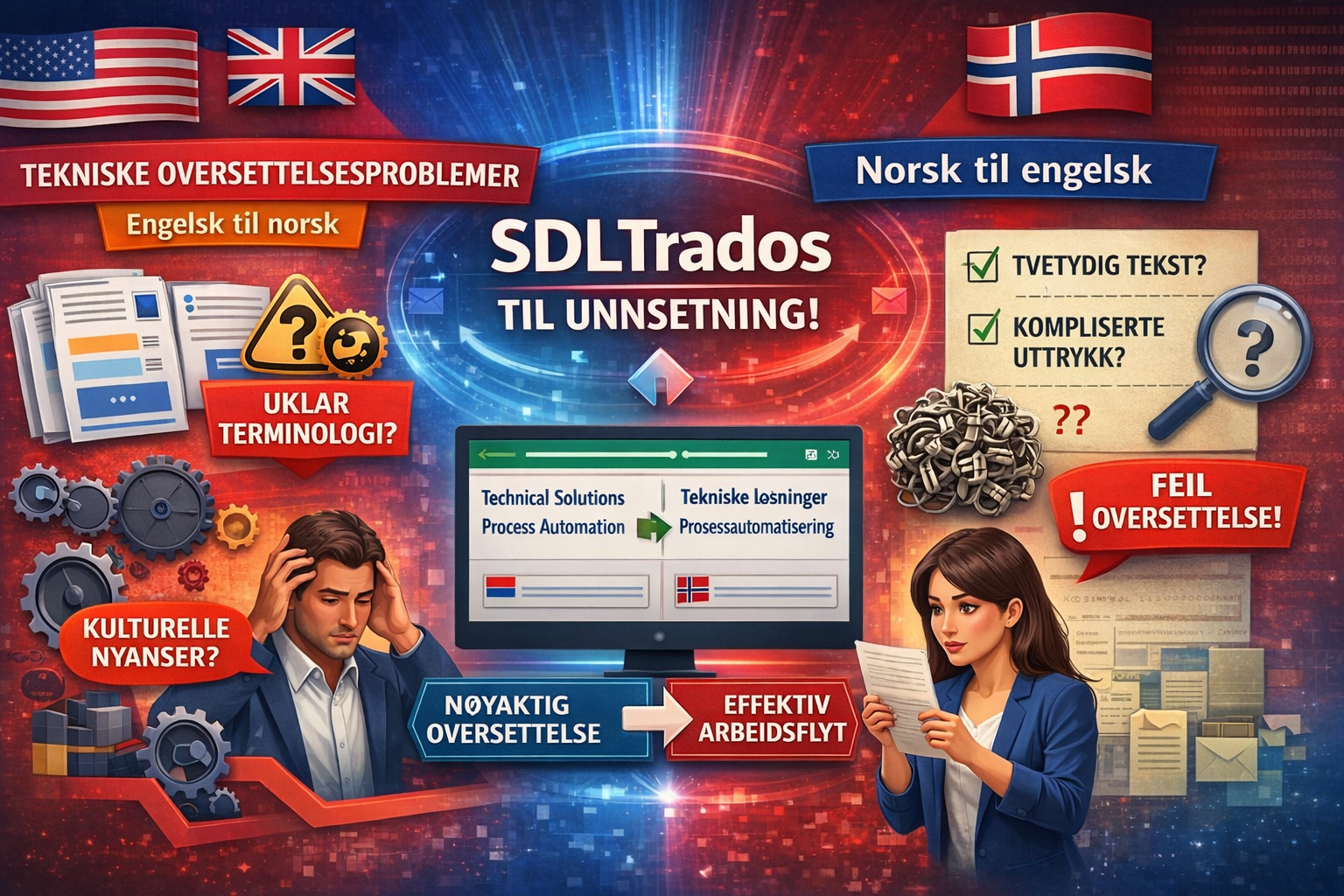
Additionally, translators already use specialized tools and understand file formats, workflows, and quality standards. Tools like the SDL Studio Converter from Linigu demonstrate this technical proficiency—being able to convert SDL Trados project files, translation memories, and XLIFF formats into accessible Word or Excel documents shows exactly the kind of file-handling competence that annotation platforms value. With free registration, translators can instantly convert and view complex file formats, streamlining collaboration and demonstrating the practical tech skills that make language professionals competitive in AI training roles.
Work-Life Considerations: Flexibility and Sustainability
One of the most attractive aspects of annotation work is flexibility. Most roles offer:
• Remote work from anywhere with internet access
• Flexible scheduling—work when it suits you
• Part-time or full-time options depending on availability
• Ability to work on multiple projects simultaneously
However, it's important to understand the realities. Much annotation work is project-based or contract work, not salaried employment with benefits. Work volume can fluctuate. You may experience quiet periods between projects.
The most successful language professionals treat annotation as either supplementary income alongside translation work or as a stepping stone to full-time roles at tech companies. Building a reputation for quality work on platforms often leads to direct invitations for specialized, higher-paying projects.
The Future: Growing Demand for Linguistic Expertise
As AI systems become more sophisticated and multilingual, the need for skilled linguists will only increase. Current trends suggest:
• Expansion of AI into more languages and cultural contexts
• Higher quality standards requiring expert human evaluation
• Specialization in domain-specific annotation (medical AI, legal tech, etc.)
• Growing emphasis on cultural sensitivity and localization quality
• Integration of linguistic expertise into AI product development teams
Rather than replacing language professionals, AI is creating new roles that leverage linguistic expertise in different ways. The professionals who thrive will be those who embrace these opportunities while continuing to develop their core language skills.
Conclusion: A New Chapter for Language Professionals
The translation and linguistics profession is not dying—it is diversifying. Data annotation, AI training, linguistic evaluation, and language technology development represent genuine, well-compensated career paths for language professionals in 2026.
For translators facing market disruption or simply looking to expand their income streams, these opportunities offer several compelling advantages: competitive hourly rates ($20-40+ per hour), flexible remote work, low barriers to entry, direct application of existing skills, and clear pathways to more advanced roles.
The key is approaching these opportunities strategically. Start with reputable platforms, deliver high-quality work, build specialized expertise, and position yourself as a language professional with both traditional skills and modern technical competence. The intersection of linguistic expertise and AI technology is creating unprecedented opportunities for those willing to adapt.
Your language skills are more valuable than ever—they're just being applied in new contexts. The future belongs to translators and linguists who recognize that their expertise in understanding, analyzing, and working with language is exactly what the AI industry needs.
---
Work smarter with translation files
Convert SDL Trados files instantly with the free SDL Studio Converter from Linigu
Convert .sdlppx, .sdltm, .sdlxliff and more to Word or Excel • Free registration • Instant results
Comments ()
No comments yet. Be the first to comment!