Introduction: A Simple Question with a Complex Answer
“What is translation?” appears to be a simple question. Many would answer: changing words from one language into another. Yet this definition falls short the moment translation is applied in real life.
Translation operates at the intersection of language, culture, intent, and knowledge. It is not a mechanical substitution process but a deliberate act of meaning transfer. This article explores what translation truly is, how it works, and why it remains a deeply human discipline—even in the age of artificial intelligence.
1. The Basic Definition of Translation

At its most basic level, translation can be defined as:
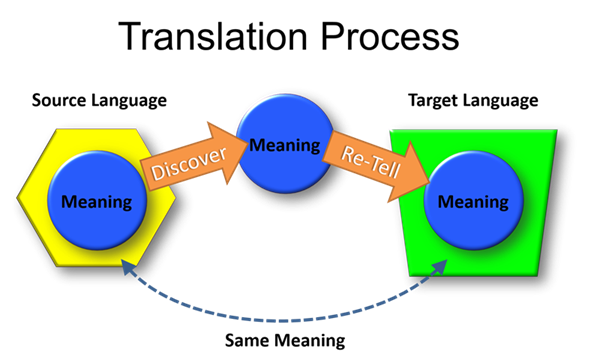
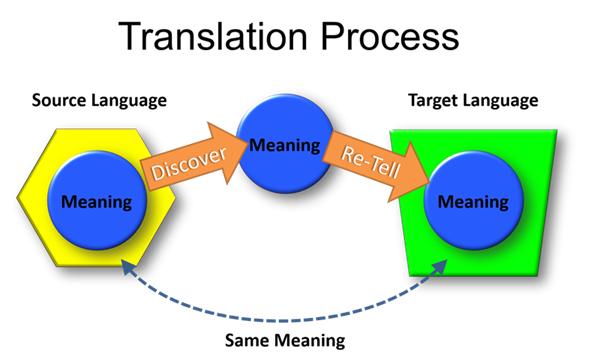
The process of transferring meaning from a source language into a target language while preserving intent, accuracy, and usability.
This definition already implies several important ideas:
-
Meaning is central—not words
-
Intent matters
-
The result must be usable in the target context
Replacing words alone does not guarantee any of these outcomes.
2. Translation vs Word Substitution
Languages are not mirrors of each other. Each language:
-
Organizes reality differently
-
Encodes culture and assumptions
-
Uses unique grammatical structures
A literal word-for-word substitution often produces text that is:
-
Grammatically awkward
-
Semantically misleading
-
Culturally inappropriate
True translation requires interpretation, not replacement.
3. The Role of Context in Translation
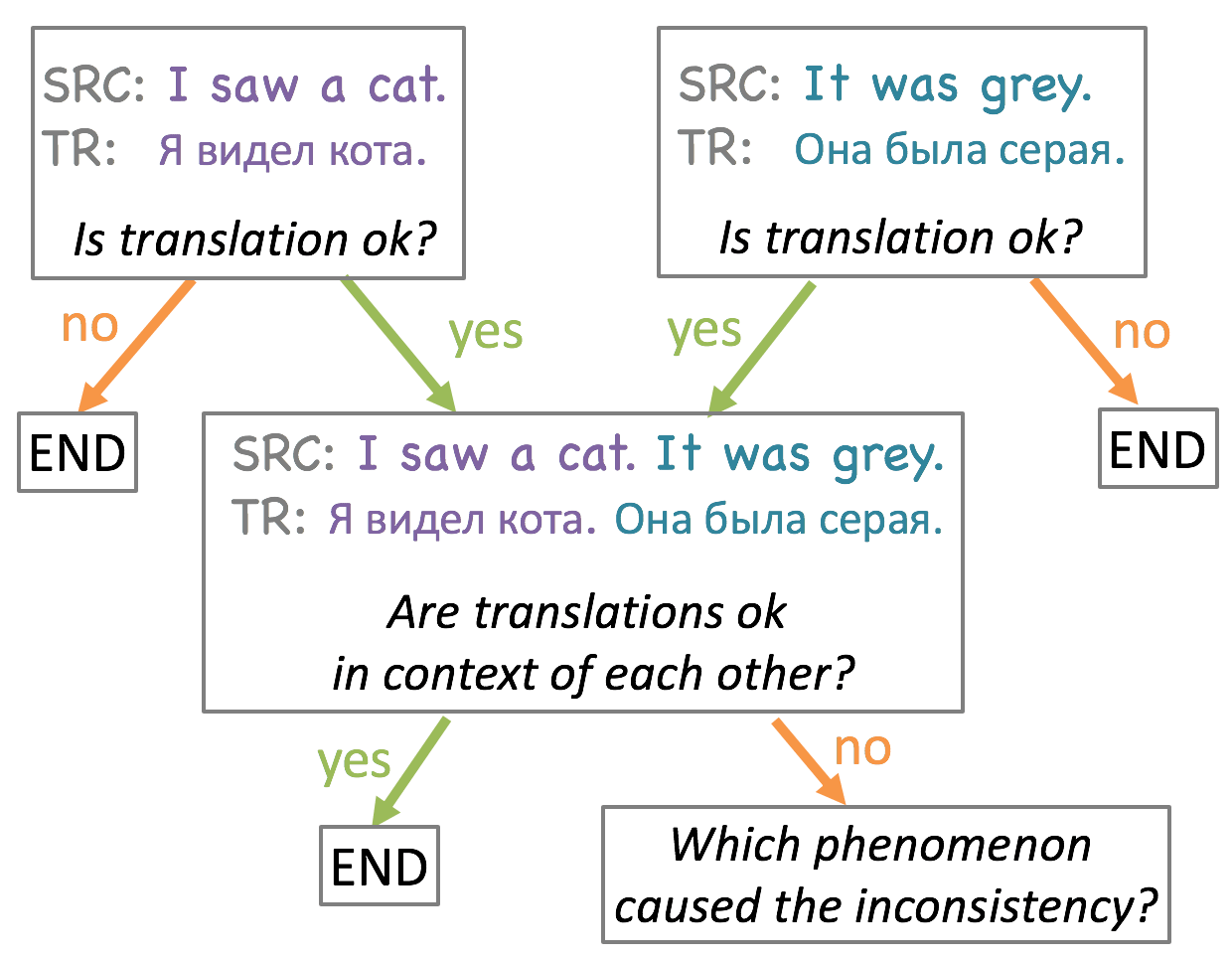

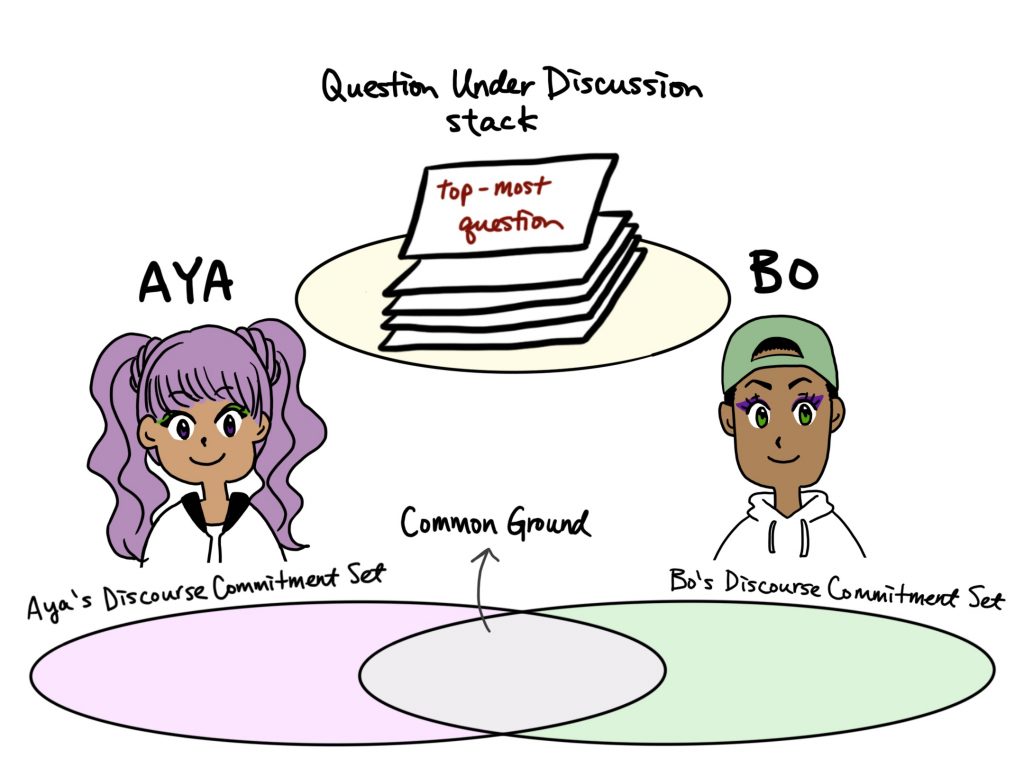
Context determines meaning.
Consider a single word like “charge”:
-
Electrical charge
-
Legal charge
-
Financial charge
-
Military charge
Without context, translation is impossible.
Translators must consider:
-
Subject matter
-
Audience
-
Purpose of the text
-
Cultural and situational factors
Context transforms language from symbols into meaning.
4. Translation as a Decision-Making Process
Translation is not a linear process—it is a series of decisions.
For every sentence, a translator must decide:
-
What is essential?
-
What can be adapted?
-
What must remain unchanged?
These decisions are influenced by:
-
Genre (technical, legal, literary)
-
Risk level
-
Client requirements
-
Target audience expectations
Every translation is therefore a controlled interpretation.
5. Types of Translation
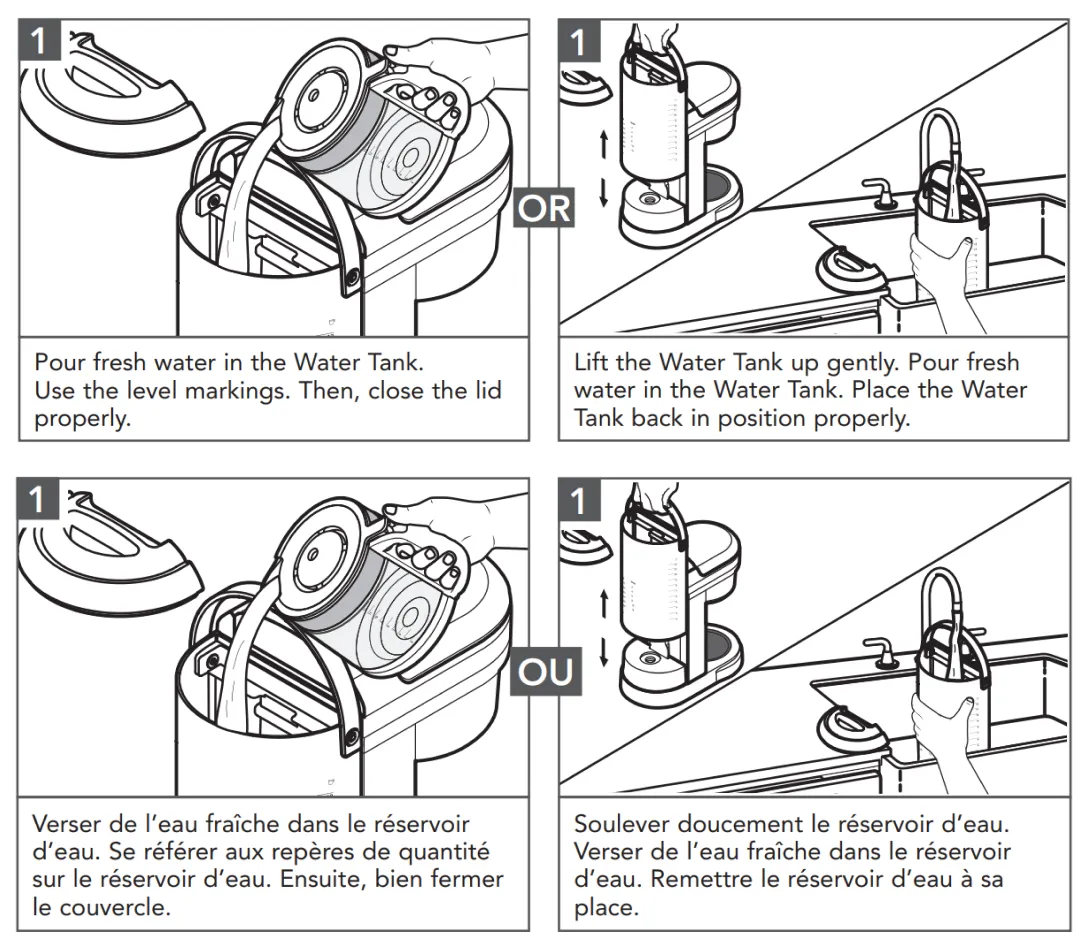

Translation is not one-size-fits-all.
5.1 Technical Translation
Focuses on precision, consistency, and reproducibility. Creativity is limited; accuracy is critical.
5.2 Legal Translation
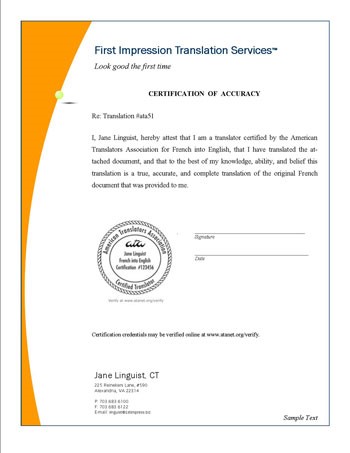
Requires absolute fidelity and awareness of legal systems. Small errors can have major consequences.
5.3 Literary Translation
Balances meaning, style, tone, and emotional impact. The translator acts as a creative mediator.
5.4 Marketing and Localization
Adapts content to cultural expectations rather than preserving literal meaning.
Each type defines translation differently—but meaning remains the core.
6. Human Translation vs Machine Translation
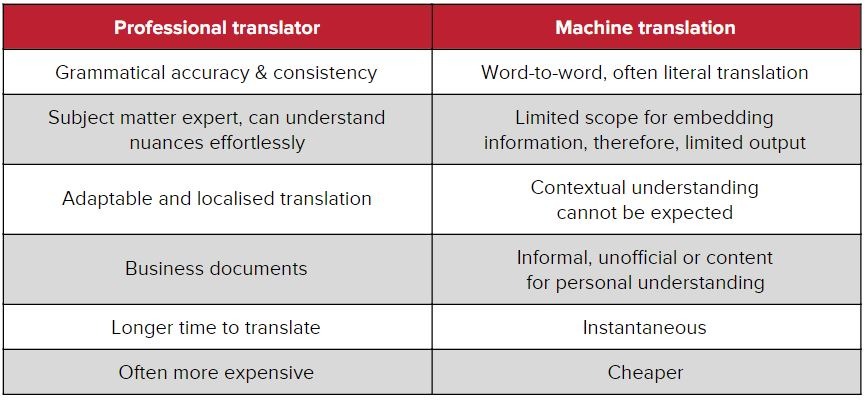


Machine translation has changed how we translate—but not what translation is.
Machine Translation:
-
Predicts text based on probability
-
Excels at speed and fluency
-
Lacks true understanding
Human Translation:
-
Interprets intent
-
Handles ambiguity
-
Takes responsibility for accuracy
Machines process language. Humans understand it.
7. Translation and Culture
Language reflects culture.
Idioms, humor, politeness levels, and metaphors often cannot be translated directly. Cultural translation requires:
-
Awareness
-
Sensitivity
-
Adaptation
Ignoring cultural context leads to translations that are technically correct—but socially wrong.
8. Translation as Communication, Not Conversion
Translation is a form of communication. Its success is measured not by linguistic similarity, but by effect.
A good translation:
-
Conveys the same message
-
Produces the same response
-
Serves the same function
If the reader understands and reacts as intended, the translation has succeeded.
9. Why Translation Still Matters in a Globalized World


In a connected world, translation enables:
-
International cooperation
-
Global commerce
-
Knowledge sharing
-
Cultural exchange
Despite advances in AI, high-quality translation remains essential wherever accuracy, trust, and responsibility matter.
10. The Future of Translation
The future of translation is hybrid.
Human translators will:
-
Guide meaning
-
Define quality
-
Handle risk
AI tools will:
-
Increase productivity
-
Assist with drafts
-
Support consistency
But the essence of translation—meaningful communication across languages—will remain human-driven.
Conclusion: Translation Is Meaning in Motion
Translation is not the movement of words—it is the movement of meaning.
It requires:
-
Understanding
-
Judgment
-
Responsibility
As long as humans communicate with intent, nuance, and culture, translation will remain a vital, human-centered profession—enhanced by technology, but never reduced to it.

Comments ()
No comments yet. Be the first to comment!